Engagement Ring Care and Insurance: How to Protect Your Ring
How to clean, store and insure your engagement ring: what insurance costs, when to take your ring off, how often to see a jeweler and how appraisals work.

by Sarah Glasbergen on 11 November 2026
Web editor
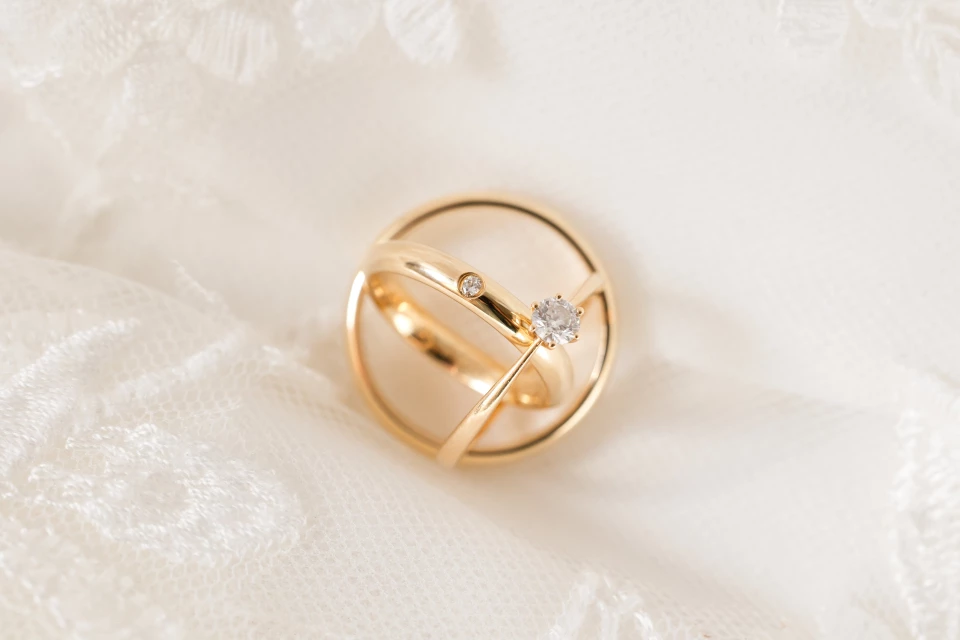
TLDR: Protect your engagement ring with three habits: clean it gently at home every week or two, have a jeweler check the prongs and setting regularly, and insure it from the day you take it home. Dedicated jewelry insurance typically costs 1% to 2% of the ring's value per year, around $46 to $92 for a ring at the US average of $4,600. This guide covers cleaning, when to take your ring off, storage, insurance options and how to keep your appraisal up to date.
By Sarah Glasbergen, Founder ThePerfectWedding.com. Updated November 2026
Key Facts at a Glance
- Insurance cost: jewelry insurance typically costs 1% to 2% of the ring's retail replacement value per year (Source: Jewelers Mutual)
- Average ring value: the average US engagement ring cost $4,600, with natural diamond rings averaging $7,000 (Source: The Knot Real Weddings Study, 2026)
- Homeowners limits: standard homeowners or renters policies often cap jewelry theft coverage at roughly $1,500 to $2,500 unless you add a rider (Source: Over The Moon, citing typical policy limits)
- Coverage scope: dedicated policies from specialist insurers can cover loss, theft, damage and mysterious disappearance, including while traveling (Source: Insurance Business Magazine)
- Worth insuring: pros commonly recommend insuring rings worth more than about $1,000 to $1,500 (Source: Fash cost guide)
An engagement ring is worn every day, through dishwashing, workouts, travel and the occasional slammed car door. Diamonds are the hardest natural material, but they can still chip, and the metal that holds them wears down over time. A little routine care keeps the ring sparkling and, more importantly, keeps the stone in place.

How do you clean an engagement ring at home?
A diamond looks dull mostly because of oil from skin, lotion and soap that collects underneath the stone and blocks light. A gentle home clean every week or two restores the sparkle.
- Soak the ring for 20 to 30 minutes in warm water with a few drops of mild dish soap.
- Brush gently with a soft, clean toothbrush, paying attention to the underside of the stone.
- Rinse under warm running water with the drain closed or over a bowl.
- Dry with a lint-free cloth; avoid paper towels, which can scratch metal.
- Skip bleach, chlorine, acetone and abrasive toothpaste.
Be more careful with colored stones. Emeralds, opals, pearls and some treated gems should never go in an ultrasonic cleaner or hot water. If your ring combines a diamond with softer stones, ask your jeweler for specific instructions.
When should you take your engagement ring off?
Take the ring off for activities that risk impact, chemicals or loss. A simple rule: if it involves weights, chlorine, dough or dirt, the ring goes in a safe spot first.
| Activity | Risk | What to do |
|---|---|---|
| Gym and weightlifting | Bent prongs, scratched band | Remove, or wear a silicone band instead |
| Swimming and hot tubs | Chlorine can weaken gold; cold water shrinks fingers | Remove and store securely |
| Cleaning with chemicals | Bleach and solvents damage metal and some stones | Remove or wear gloves |
| Gardening and baking | Dirt and dough build up under the stone | Remove before starting |
| Applying lotion or sunscreen | Film dulls the diamond | Put the ring on afterwards |
| Sleeping | Prongs can snag on bedding | Store on a dish beside the bed |
| Beach and travel | Loss in sand or water, theft | Leave it at home or use a hotel safe |


How often should a jeweler check your ring?
Prongs wear thin and can bend without you noticing, and a loose stone is the most common way diamonds are lost. Many jewelers recommend a professional check and clean at least once or twice a year. During that visit they inspect the prongs, tighten loose stones, polish the band and clean with professional equipment.
Many jewelers include free inspections and cleaning for the life of the ring, and some insurers require regular checks to keep coverage valid. Ask about both when you buy. ThePerfectWedding.com recommends booking your first check a few months after the proposal, once you are used to wearing the ring daily.
- Warning signs: the stone wiggles or rattles, a prong catches on fabric, or you can see light between prong and stone.
- White gold: plan for rhodium replating when the band starts to look yellowish.
- Pavé bands: check small stones closely, because they loosen more easily.
Do you need engagement ring insurance?
If the ring would be painful to replace, yes. Insurance costs a small yearly amount compared with the value of the ring. According to Jewelers Mutual, coverage costs 1% to 2% of the retail replacement value per year, so a ring at the US average of $4,600 would cost roughly $46 to $92 a year to insure.
You have two main options:
- Homeowners or renters rider: convenient if you already have a policy, but standard policies often cap jewelry theft coverage and may require a deductible. Claims can also affect your home insurance premium.
- Dedicated jewelry insurance: specialist insurers such as Jewelers Mutual and BriteCo offer standalone policies that can cover loss, theft, damage and mysterious disappearance, often worldwide.
Compare what each policy pays out. A replacement or agreed-value policy pays for a comparable ring, while an actual cash value policy may pay less. Read the terms as carefully as any vendor agreement; our contracts guide explains what to look for in the fine print.

How do you get your ring appraised?
An appraisal documents the ring's details and its replacement value, and most insurers require one. Your jeweler usually provides it at purchase, together with the grading report for the center stone. Keep copies of the receipt, appraisal and grading report in a safe place, plus clear photos of the ring from several angles.
Prices change, especially for lab-grown diamonds, so update your appraisal every few years. Make sure you are not over-insured, paying premiums on a value higher than what a replacement would actually cost. If you have a lab-grown stone, our guide to choosing an engagement ring explains how stone type affects value.
Should you insure your wedding bands too?
Yes, ideally on the same policy. Wedding bands are usually worth less than the engagement ring, but they are worn just as often and lost just as easily, especially men's bands that slip off in cold water. Most dedicated jewelry policies let you add both bands, plus other valuable pieces, under one plan.
ThePerfectWedding.com suggests adding the bands as soon as you buy them, not after the wedding. Rings are often handed to a best man, a ring bearer or a planner on the day itself, and that is exactly when accidents happen. Our guide on how to present your wedding rings helps you plan who carries them safely.

How should you store your ring?
Store your engagement ring separately from other jewelry, because a diamond can scratch other pieces and softer stones. A fabric-lined box or a pouch with its own compartment works well. At home, keep a small ring dish in the places where you usually take it off: next to the sink, the bed and the front door.
- Never leave the ring on the edge of a sink or on a napkin in a restaurant.
- Use a hotel safe when traveling, or leave the ring at home for beach trips.
- Consider a simple silicone band for workouts and outdoor adventures.
- Store your wedding band in the same box so the pair stays together; see our guide to wearing both rings.
“Treat your engagement ring like the most valuable thing you wear every day, because it is. Ten minutes of cleaning, two jeweler checks a year and a good insurance policy mean you never have to think about it in a scary way.”
Sarah Glasbergen, Founder ThePerfectWedding.com
Engagement Ring Care and Insurance FAQ
-
How much does it cost to insure an engagement ring?
Most dedicated jewelry insurance costs 1% to 2% of the ring's replacement value per year, according to Jewelers Mutual. A $5,000 ring would typically cost about $50 to $100 a year.
-
Is my engagement ring covered by homeowners insurance?
Partially, at best. Standard policies often limit jewelry theft coverage and may not cover loss or damage. A scheduled rider or a dedicated jewelry policy offers fuller protection.
-
Can I clean my engagement ring with toothpaste?
No. Toothpaste is abrasive and can scratch metal. Use warm water, mild dish soap and a soft toothbrush instead.
-
How often should I clean my engagement ring?
A gentle home clean every week or two keeps a diamond bright, with a professional clean and inspection once or twice a year.
-
Should I sleep with my engagement ring on?
It is better not to. Prongs can snag on bedding and hair, and pressure during sleep can bend the setting over time.
-
What should I do if a stone feels loose?
Stop wearing the ring immediately and take it to a jeweler. A loose stone is the most common cause of lost diamonds, and the fix is usually quick.
Find a jeweler you can trust long term
Choose a jeweler who offers free cleaning, inspections and resizing. Browse ring vendors on ThePerfectWedding.com.
Still choosing your ring? Read our guides to wedding ring metals and vintage wedding rings to pick a design that lasts.


