Wedding Insurance Guide: What It Covers, What It Costs and When to Buy
What wedding insurance covers and what it does not, real price ranges from insurers, venue liability rules and the best time to buy a policy.

by Sarah Glasbergen on 13 November 2026
Web editor
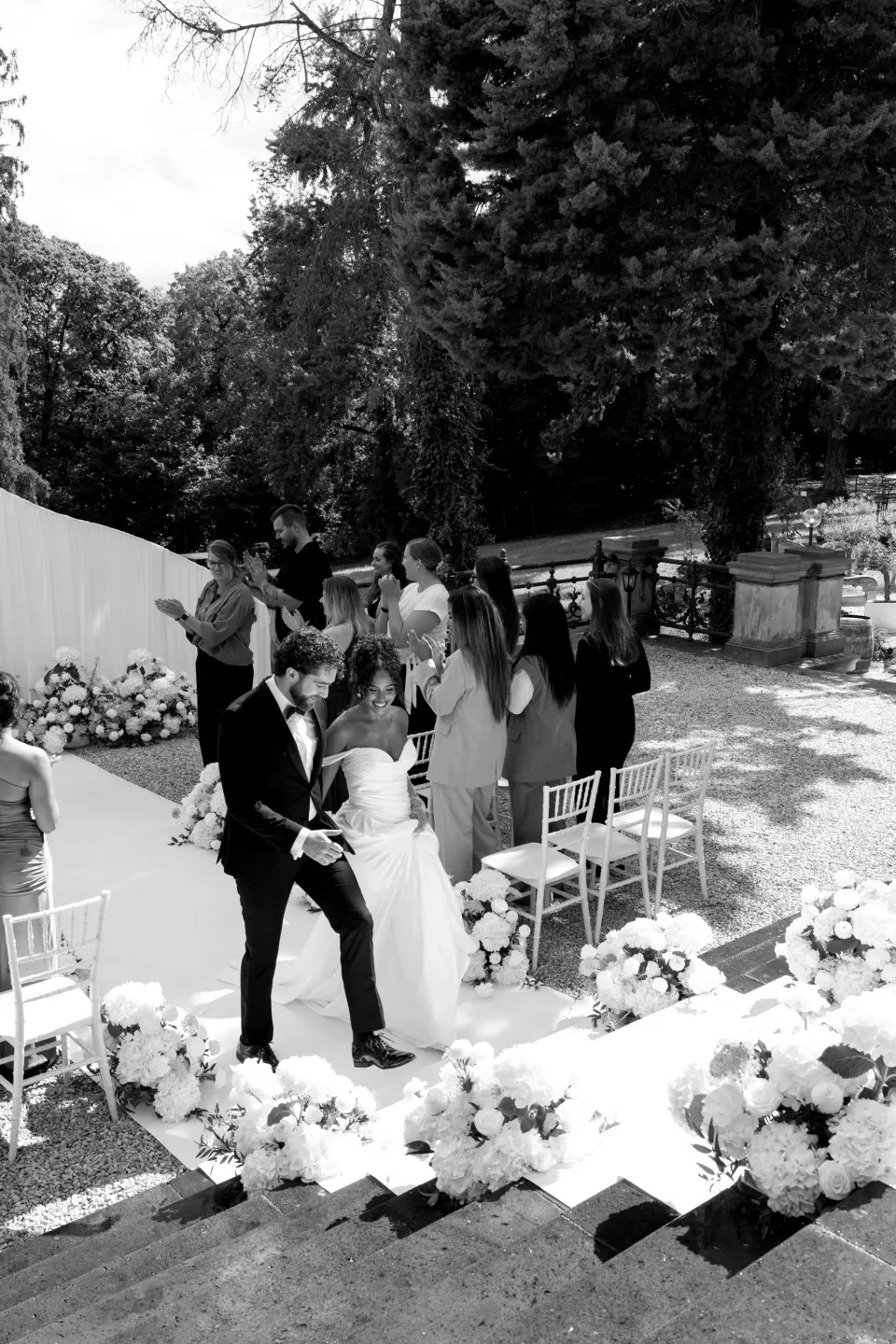
TLDR: Wedding insurance is a short-term event policy with two parts: liability coverage, which pays if a guest is injured or the venue is damaged, and cancellation or postponement coverage, which reimburses non-refundable deposits when something outside your control derails the day. A basic policy typically costs $75 to $550, and many venues require liability coverage. Buy it as soon as you start paying deposits. This guide covers what wedding insurance includes and excludes, real prices, venue requirements, timing and how to choose a policy. Updated November 2026.
Key Facts at a Glance
- A basic policy costs about $75 to $550: the price depends on the provider, your location and how much coverage you choose. (Source: The Knot, Wedding Insurance 101)
- Liability usually starts at $500,000 of coverage: and policies with limits from $500,000 to $5 million are available. (Sources: The Knot; Zola)
- Cancellation coverage typically costs $150 to $600: for limits from $7,500 to $175,000. (Source: Zola)
- Vendor issues drive about one-third of claims: such as a supplier who cannot deliver as booked. (Source: Zola)
- The average US wedding costs $34,000: which is the amount many couples are protecting. (Source: The Knot 2026 Real Weddings Study)
Nobody likes thinking about what could go wrong, but a wedding involves big deposits paid months ahead. ThePerfectWedding.com's wedding insurance guide explains the coverage in plain language, so you can decide how much protection fits your plans without paying for overlapping coverage you do not need.

What is wedding insurance?
Wedding insurance is special event insurance for your wedding and the period leading up to it. You pay one premium upfront, and the policy covers specific financial losses during a set time frame. Anyone with a financial stake in the wedding, including parents who are paying, can usually buy a policy (Source: The Knot, Wedding Insurance 101).
There are two main types, which you can buy separately or together:
- Liability insurance: covers bodily injury to guests and damage to the venue during your event, often with optional host liquor liability.
- Cancellation and postponement insurance: reimburses non-refundable costs if the wedding must be canceled or moved for a covered reason.
Bundling both often costs less. Markel, for example, says combining coverages can save up to 15%, or 10% in Florida (Source: Markel).
What does wedding insurance cover?
Coverage differs by insurer and plan level, so always read the policy wording. These are the protections most commonly included in cancellation and liability policies (Sources: The Knot; Zola; Markel; Travelers).
- Extreme weather: events like hurricanes or named storms that keep the couple or most guests from reaching the venue.
- Sudden illness or injury: of the couple or immediate family, as long as it is not tied to a pre-existing condition.
- Venue problems: a venue that is damaged or becomes inaccessible.
- Vendor no-shows or bankruptcy: including lost deposits when a booked supplier cannot deliver.
- Military deployment: a sudden call to duty for the couple.
- Attire, rings and gifts: loss or damage, usually with a sub-limit per category.
- Photos and video: costs to re-stage photos in specific situations, with set limits.
- Guest injuries and property damage: under liability, including staff you hired.
Sub-limits matter. Zola notes that attire coverage might be capped at $1,000 or $1,500 depending on the plan, and these sections can pay out even when the wedding goes ahead (Source: Zola).

What does wedding insurance not cover?
Knowing the exclusions saves frustration later. These are the most common ones (Sources: The Knot; Zola; Markel; Travelers).
- A change of heart or cold feet: standard policies do not pay if one of you calls it off.
- Ordinary rain: normal rain or summer thunderstorms are not considered extreme weather.
- Pre-existing medical conditions: known conditions are excluded.
- Weather you could already see coming: Travelers excludes weather-related cancellation if the event is less than 15 days after the policy starts.
- Engagement rings: these usually need separate jewelry insurance.
- Photographer technique: Markel excludes issues like under or overexposed images.
- COVID-19: Travelers excludes it entirely.
If an outdoor celebration is your plan, insurance will not cover a drizzle, so a backup plan is still essential. Read our guide to outdoor wedding venues with an indoor backup and the tent wedding planning guide. For your engagement ring, see engagement ring care and insurance.
How much does wedding insurance cost?
Most couples pay a few hundred dollars. Zola says some couples pay under $200 and others up to $1,500, depending on guest count, coverage types and limits (Source: Zola). These advertised starting prices show the range across well-known providers.
| Insurer | Advertised starting price | Worth knowing |
|---|---|---|
| Markel | Liability from $75, cancellation from $130 | Liability up to $2 million; can be bought up to one day before |
| eWed Insurance | Liability from $119, cancellation from $75 | Zero-deductible liability option |
| Progressive | Plans from $105 | Compare limits and deductibles |
| Wedsure | Plans from $125 | Can be bought up to 24 hours before the wedding |
| Travelers | Plans from $160 | No deductible; venues can be added as insureds at no extra cost |
| GEICO | Plans $75 to $235 | Savings when combining plans |
Sources: Markel; The Knot, Wedding Insurance 101; Travelers. Prices vary by state and coverage, so get personal quotes. As a rule of thumb, set your cancellation limit close to your total wedding budget, since that is your worst-case loss (Sources: The Knot; Zola). Insurance is one of those line items that rarely makes the first budget draft, which is why ThePerfectWedding.com includes it in our overview of hidden wedding costs. Add it to your spreadsheet early so it never feels like a surprise.
Do venues require wedding liability insurance?
Many do. Venues often ask couples to show a certificate of insurance with a minimum liability limit and to name the venue as an additional insured (Sources: The Knot; Zola). Some venues include liability coverage in their package, so ask before you buy.
Venues may also require each vendor to carry their own insurance and provide a certificate. Ask your venue coordinator for their requirements early, and add the question to your list of questions to ask a wedding venue. If you serve alcohol, check whether host liquor liability is required.

When should you buy wedding insurance?
Buy cancellation coverage as soon as you start paying deposits. Insurers advise this because a policy bought later may not cover problems that were already known (Sources: Markel; The Knot). Travelers notes that purchases made before the policy can still be covered if you have receipts and did not know of a possible claim (Source: Travelers).
- When you sign your venue contract: the ideal time for cancellation coverage.
- At least 15 days before: many cancellation policies close around this point, and weather coverage needs lead time.
- Up to one day before: some liability policies, such as Markel's, can still be bought this late.
Your deposits and payment schedule determine how much you have at stake at any moment. Our venue deposit and payment guide explains typical schedules.
“Wedding insurance is not about expecting the worst. It lets you book the venue and vendors you love with confidence, because the money you put down early is protected if life gets in the way.”
Sarah Glasbergen, Founder ThePerfectWedding.com
Is wedding insurance worth it?
For most couples paying vendor deposits months ahead, yes. A policy costing a few hundred dollars protects a budget that averages $34,000 nationally (Source: The Knot 2026 Real Weddings Study). It also covers situations no contract can prevent, such as a family emergency or a storm that closes roads.
Insurance works alongside your vendor contracts, not instead of them. Contracts set out what each professional delivers and how changes are handled, while insurance covers losses outside anyone's control. ThePerfectWedding.com's wedding vendor contract guide explains the contract side, and a wedding planner can recommend a provider they trust.
How do you choose the right wedding insurance policy?
Use this short checklist from ThePerfectWedding.com when you compare quotes side by side.
- Add up your deposits and total budget to set your cancellation limit.
- Ask your venue for its required liability limit and certificate wording.
- Check existing coverage, such as homeowners or renters insurance, to avoid paying twice.
- Compare deductibles and sub-limits for attire, rings, gifts and photos.
- Confirm event dates covered, including the rehearsal dinner and setup days.
- Get at least two quotes and read the exclusions before paying.
Wedding insurance: frequently asked questions
-
Does wedding insurance cover a change of heart?
Standard policies do not. A few specialty insurers offer it, but only with strict conditions, such as buying the policy far in advance.
-
Does wedding insurance cover rain?
Not ordinary rain. Weather coverage applies to extreme events, like hurricanes or named storms, that stop the couple or most guests from reaching the venue.
-
Who can buy wedding insurance?
The couple or anyone with a financial stake in the wedding, such as parents who are paying for it.
-
Is wedding liability insurance required?
It is not required by law, but many venues require proof of liability coverage with a minimum limit before your event.
-
Can I buy wedding insurance close to the date?
Liability can often be bought up to a day before, but cancellation coverage usually needs to be bought at least two weeks ahead, and earlier is better.
-
Does wedding insurance cover the rehearsal dinner?
Some policies do, for example within 48 hours of the wedding, while others need it added separately. Check your policy wording.
Find a venue you can book with confidence
Compare wedding venues on ThePerfectWedding.com and ask each one about their insurance requirements before you sign.


