What to Do After Getting Engaged: The First 10 Steps, in the Right Order
Just got engaged? Here are the first steps in order, from telling family and insuring the ring to budget, guest count, venue research and your first vendor bookings.

by Sarah Glasbergen on 13 November 2026
Web editor
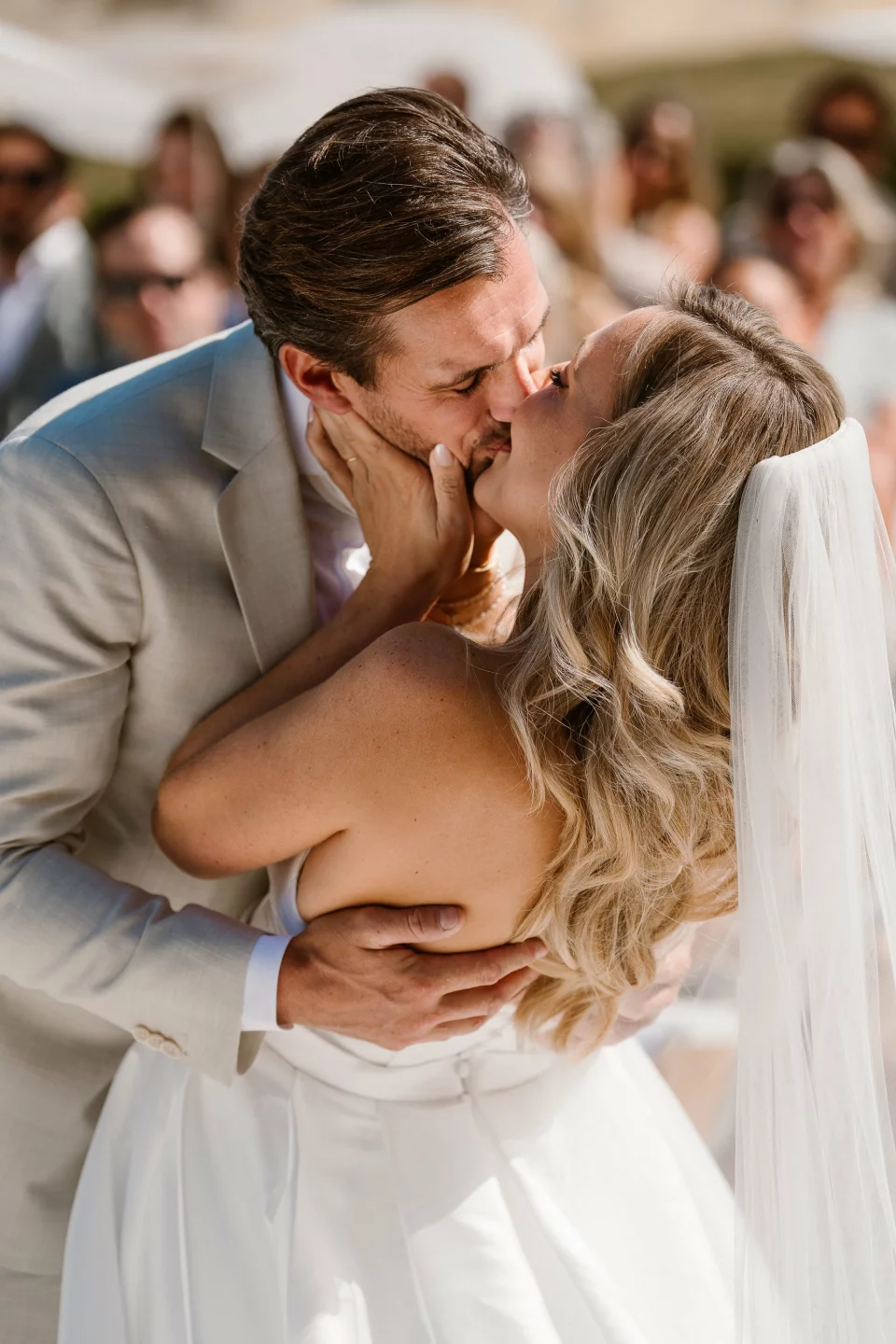
TLDR: After getting engaged, enjoy the moment first, then tell your closest family before posting anything online. Within the first weeks, insure and if needed resize the ring, share your news, and have an honest talk about budget and guest count. Those two numbers guide everything else: your date, your venue and which vendors to book first. This guide lists the first ten steps in the order that saves you the most stress, with links to detailed checklists for later. Updated November 2026.
Key Facts at a Glance
- 14 months of engagement on average: the typical time US couples have to plan. (Source: The Knot Real Weddings Study)
- Planning starts fast: 58% of couples begin planning within one month of getting engaged. (Source: The Knot Jewelry and Engagement Study)
- About $4,600 on the ring: the average engagement ring spend, which is why insurance belongs on your first to-do list. (Source: The Knot 2026 Real Weddings Study)
- $34,000 average wedding cost and 117 guests: a useful benchmark for your first budget talk. (Source: The Knot 2026 Real Weddings Study)
- 13 vendors per wedding: the average number of professionals couples hire, with the venue booked by 89% of couples. (Source: The Knot 2026 Real Weddings Study)
Congratulations! The days after a proposal are a happy blur of calls, texts and staring at your hand. You do not need to plan the whole wedding this week. ThePerfectWedding.com's approach is to do a few things in the right order, so the big decisions later feel easy instead of rushed.


What should you do first after getting engaged?
Start with the people, not the planning. These first steps happen in the first days.
1. Celebrate just the two of you
Take an evening to soak it in before the questions start. Many couples remember this quiet moment as fondly as the proposal itself.
2. Tell your closest family and friends personally
Parents, grandparents, siblings, children from previous relationships and best friends should hear the news from you, by phone, video call or in person, before it appears on social media. If parents are in different places, try to call them close together so nobody feels second.
Expect plenty of questions about the date, the size and the wedding party. It is perfectly fine to say you are still enjoying the engagement and will share plans soon. Holding off on promises protects you from inviting people before you know your guest count.

How do you protect and resize an engagement ring?
3. Insure the ring, then resize it
Insure the ring as soon as possible, ideally before it leaves your home for a resizing. Ask your jeweler for an appraisal or receipt, then compare jewelry insurance with a rider on your renters or homeowners policy.
- Get documentation: a receipt, appraisal and any grading certificate.
- Ask about coverage: loss, theft and damage, and whether the policy replaces like for like.
- Resize with the original jeweler when possible, since many offer free or reduced-cost resizing.
- Photograph the ring and store the paperwork digitally.
ThePerfectWedding.com's guide to engagement ring care and insurance covers policies, cleaning and everyday wear in detail.
How should you announce your engagement?
4. Share the news publicly
Once your inner circle knows, share it however feels right: a social media post, a group message or a printed announcement. Agree as a couple on what to share and when, especially if one of you is more private.
Engagement photos make the announcement easier and double as save-the-date images. Book a photographer whose style you love, and use ThePerfectWedding.com's engagement photo ideas to plan outfits and locations. Hiring your engagement photographer can also be a chance to see if they are the right fit for the wedding.
Planning to celebrate with a party? Our engagement party timeline explains when to host it and who traditionally does.

When should you talk about the wedding budget?
5. Have the budget talk early
Have the money conversation in the first few weeks, before you fall in love with a venue. Decide what you can comfortably spend, who will contribute and which three things matter most to each of you.
- Set a total range, not a single number.
- Ask about family contributions gently and early, so you know what to plan around.
- Rank priorities: food, photography, music, venue, attire or guest experience.
- Plan for the less obvious costs, such as tips, fees and alterations.
As a reference point, US couples spent an average of $34,000 on their wedding, or about $292 per guest. (Source: The Knot 2026 Real Weddings Study) Zola's research puts the average at $36,000. (Source: Zola First Look Report 2026) Your number can be very different, and that is fine.
How many guests should you plan for?
6. Estimate your guest count
You do not need a final guest list yet, but you need a realistic range. Guest count drives venue size, catering cost and even your date options.
| Wedding size | Typical guest range | What it means for planning |
|---|---|---|
| Micro wedding | Up to about 50 | More venue choices, including restaurants and intimate spaces |
| Mid-size wedding | About 50 to 150 | The most common range; widest choice of venues and packages |
| Large wedding | 150 and up | Fewer venues fit; book earlier and plan for a bigger catering budget |
For context, the average US wedding has 117 guests. (Source: The Knot 2026 Real Weddings Study) Each of you can draft a rough list, then compare. ThePerfectWedding.com's guide on how to create a wedding guest list helps when you are ready to finalize it.
“The best thing you can do in the first month of your engagement is not book anything. Talk. Agree on your budget, your guest count and the three things you care about most. Once you know that, every vendor conversation becomes easier and far more fun.”
Sarah Glasbergen, Founder ThePerfectWedding.com
When should you pick a wedding date and venue?
7. Research dates and venues
With a budget and guest range in hand, look at seasons and a few possible dates, then start touring venues. Popular weekends book up early, so keep a few backup dates.
- Pick a season first, then two or three possible dates.
- Tour three to five venues that fit your guest range and budget.
- Ask what is included, such as tables, chairs, catering, staff and setup.
- Check availability for your dates before falling for one place.
For timing, see ThePerfectWedding.com's guide on how far in advance to book a wedding venue.

Which wedding vendors should you book first?
8. Book your venue and key vendors
Once your venue and date are confirmed, book the vendors who handle one wedding per day and book up fastest.
- Wedding planner, if you want one, so they can help with the rest.
- Photographer and videographer.
- Caterer, if not included with the venue.
- Band or DJ.
- Officiant.
Our guide on when to book wedding vendors gives a full timeline for each category.
Do you need a wedding website right away?
9. Set up a wedding website
Set up a simple wedding website once you have a date and venue. It becomes the home for travel details, hotel blocks, your registry and updates. Our guide to wedding websites explains what to include. Share the link on your save-the-dates so guests always know where to find the latest details.
10. Switch to a planning checklist
From here, a month-by-month checklist keeps you on track. Use the 12-month wedding planning checklist if you have a year or more, or the 6-month wedding planning checklist for a shorter engagement.
What should you avoid in the first weeks of your engagement?
Excitement can make it tempting to rush. A few early decisions are much harder to undo than others, so pause on these until your budget and guest count are clear.
- Inviting people verbally: asking someone to be in your wedding party or promising an invitation before you know your numbers can lead to awkward conversations later.
- Booking before you compare: signing with the first venue you see, before checking two or three options against your priorities.
- Buying décor and attire too early: your style often evolves once you choose a venue and season.
- Planning alone: decide together how you will split tasks, and who else you want involved.
- Skipping the contract details: read every vendor agreement carefully and keep copies in one shared folder.
Most of all, give yourselves room to enjoy this season. A clear plan made in the first month makes the rest of the engagement calmer, and leaves more time for the fun parts, such as tastings, outfit shopping and choosing your music.
What to do after getting engaged: frequently asked questions
-
Who should you tell first after getting engaged?
Tell parents, close family and best friends personally, by phone or in person, before sharing the news on social media.
-
How soon should you insure an engagement ring?
As soon as possible, ideally before the ring goes out for resizing. Ask your jeweler for a receipt or appraisal to get coverage.
-
How soon after getting engaged should you start planning?
Many couples start within the first month. Begin with the budget and guest count conversation, then research dates and venues.
-
What should you book first for a wedding?
Book your venue first, since it sets your date. Then book your planner, photographer, caterer and entertainment.
-
How long should an engagement be?
The average US engagement lasts about 14 months, but anything from a few months to two years can work depending on your plans.
-
Do you need an engagement party?
No, it is optional. Some couples host one, some celebrate informally, and many skip it to focus their budget on the wedding.
Start planning your wedding
Use ThePerfectWedding.com's planning guides to turn your engagement excitement into a clear, step-by-step plan.


