Wedding Photo Editing Styles: Light and Airy, Moody, True to Color and Film
Wedding photo editing styles explained: light and airy, dark and moody, true to color and film, how to judge galleries and what retouching costs extra.

by Sarah Glasbergen on 18 November 2026
Web editor
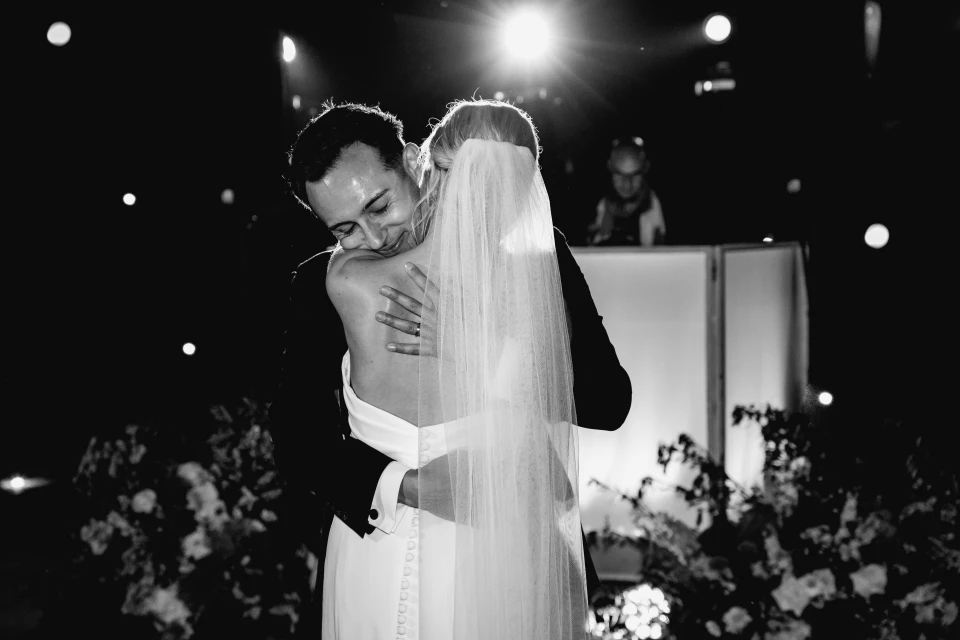
TLDR: Wedding photo editing styles describe how a photographer processes color, brightness and contrast after the wedding. The four main looks are light and airy (bright, soft, pastel), dark and moody (deep shadows, rich color), true to color (natural, clean, accurate skin tones) and film look (warm, grainy, nostalgic), with black and white as a classic extra. Judge a photographer's editing by reviewing full galleries, not highlight reels, and ask exactly which retouching is included. This guide explains each style, how to evaluate it and what costs extra.
By Sarah Glasbergen, Founder ThePerfectWedding.com. Updated November 2026
Key Facts at a Glance
- Almost everyone hires a pro: 88% of couples hired a wedding photographer (Source: The Knot Real Weddings Study, 2026)
- Average investment: couples spent an average of $3,000 on their photographer (Source: The Knot Real Weddings Study, 2026)
- Share of the budget: photography and videography take about 10% of the average wedding budget (Source: The Knot Real Weddings Study, 2026)
- Social media shapes choices: 87% of couples made at least one planning decision based on social media, including choosing photographers by their social portfolios (Source: Zola First Look Report, 2026)
- Pressure to look good online: 54% of Gen Z couples feel pressure for their wedding to be social media worthy, compared with 45% of Millennials (Source: Zola First Look Report, 2026)
Two photographers can stand in the same spot, shoot the same kiss and deliver completely different images. The difference is editing. Understanding editing styles helps you choose a photographer whose finished photos match the way you want to remember your day.

What are the main wedding photo editing styles?
Editing is what happens after the shutter clicks: adjusting exposure, color, contrast and tone. It is different from shooting style, which is about how a photographer works during the day. If you want to compare documentary, traditional and editorial approaches, read our guide to wedding photography styles. This guide focuses only on the finished look.
| Editing style | Look | Works best with | Watch out for |
|---|---|---|---|
| Light and airy | Bright, soft, pastel, low contrast | Outdoor, daylight, garden and beach weddings | Skin and white dresses can lose detail |
| Dark and moody | Deep shadows, rich color, high drama | Candlelit, fall, ballroom and evening weddings | Can feel heavy in bright settings |
| True to color | Natural, clean, accurate skin tones | Any venue, any season | Less of a signature look |
| Film look | Warm tones, soft grain, gentle contrast | Romantic, vintage and outdoor weddings | Heavy grain can look like a filter |
| Black and white | Timeless, emotional, graphic | Candid moments, ceremonies, dance floors | Usually a selection, not a full gallery |
What does light and airy wedding editing look like?
Light and airy editing brightens the whole image, lifts the shadows and softens color into creams, blushes and pale greens. Skies often look white or very pale, and skin looks luminous. The result feels romantic, fresh and gentle.
This style shines at outdoor daytime weddings with lots of natural light. It is harder to pull off in dark venues, because pushing brightness too far can make white dresses lose their lace detail. When you review a light and airy portfolio, zoom in on the dress and the sky to check that detail is still there.


What is dark and moody wedding photography editing?
Dark and moody editing keeps shadows deep, adds contrast and favors rich, saturated tones like burgundy, forest green and warm amber. The images feel dramatic and cinematic, almost like paintings.
It suits evening receptions, candlelit dinners, historic interiors and fall or winter palettes. In a sunny meadow, a heavy moody edit can look out of place. Look at how the photographer handles skin in dark scenes: faces should stay warm and clear, not muddy or orange.

What is true-to-color wedding editing?
True-to-color editing, sometimes called clean or classic editing, aims to show the day as your eyes saw it. Greens look green, skies look blue and skin tones stay accurate across different lighting conditions. Contrast is moderate and nothing feels heavily stylized.
Many couples choose this style because it ages well. Your florals, attire colors and venue look exactly as you planned them, which matters if you invested in a specific palette. It also handles diverse skin tones well when the photographer edits with care.

What is film-look wedding editing?
Film-look editing recreates the feel of analog film in digital photos: warm or slightly faded tones, soft highlights and a fine grain. Some photographers use presets that mimic specific film stocks, while others shoot actual film for part of the day.
If you are curious about real film versus a film-inspired edit, our guide to film vs digital wedding photography compares cost, look and delivery. For editing, the key question is consistency: a good film look feels natural across an entire gallery, not just on a few portraits.

How do you judge a photographer's editing in a full gallery?
Instagram feeds and website homepages show a photographer's best 20 images. Your wedding gallery will include hundreds. ThePerfectWedding.com recommends asking every photographer on your shortlist for two or three complete galleries before you book.
- Consistency: do the colors look the same from getting ready to the dance floor, or does the style shift between rooms?
- Skin tones: do faces look natural in shade, sun and indoor light, and for guests of every complexion?
- White dresses and suits: is there detail in the fabric, or does white blow out to blank areas?
- Difficult light: look at dark receptions, harsh midday sun and mixed lighting, not just golden hour portraits.
- Similar venues: ask for a gallery from a venue or season close to yours.
- Black and white choices: are conversions used for emotional moments or to hide difficult light?
Also ask how many images to expect and how long editing takes. Our guides to how many wedding photos you get and how long it takes to get wedding photos back give typical ranges.
What retouching is included and what costs extra?
Every professional gallery includes basic editing. Detailed retouching is usually reserved for a small selection of images or offered as an add-on. Contracts vary, so get the details in writing.
| Edit type | What it covers | Usually included? |
|---|---|---|
| Basic color and exposure | Color correction, brightness, contrast, cropping, straightening | Yes, every delivered image |
| Style edit | The photographer's signature look applied to the gallery | Yes |
| Light skin retouching | Removing temporary blemishes on key portraits | Often, on selected images |
| Advanced retouching | Removing objects, exit signs, people, or swapping heads in group shots | Often extra, priced per image |
| Body reshaping | Altering shape or proportions | Rarely offered, usually extra |
| Album retouching | Detailed edits on images chosen for your album | Often included with an album package |
If you know you want advanced retouching on family portraits or album spreads, mention it when you request quotes so it is built into your package. Read our wedding album design guide for how album images are usually selected and finished.


How do you choose an editing style that will not date?
Editing trends move faster than wedding trends. A very strong look can feel tied to a certain moment in a few years, while a balanced edit tends to stay fresh. That does not mean you should avoid a signature style; it means choosing one you would still love without the trend.
- Pick the style that matches your venue and light, not just your mood board.
- Look at the photographer's older galleries to see whether their editing has held up.
- Ask whether they deliver a consistent style across the whole day or switch looks.
- Remember that black and white versions of key moments stay timeless whatever color edit you choose.
At ThePerfectWedding.com we believe the right question is not which style is best, but which photographer edits consistently in the style you love. Compare quotes from photographers who already work that way rather than asking someone to change their look.
“Fall in love with a photographer's full galleries, not their best ten images. The editing you see across a whole wedding, from the morning to the last dance, is exactly what you will receive.”
Sarah Glasbergen, Founder ThePerfectWedding.com
Wedding Photo Editing Styles FAQ
-
What are the main wedding photo editing styles?
Light and airy, dark and moody, true to color and film look, with black and white often added for key moments.
-
Which wedding editing style is most timeless?
True-to-color editing usually ages best, along with a selection of black and white images.
-
Can I ask my photographer to change their editing style?
It is better to choose a photographer who already edits in the style you love, since their workflow is built around it.
-
Is retouching included in wedding photography?
Basic color and exposure editing is included. Detailed retouching is often limited to selected images or offered as an add-on.
-
How do I check a photographer's editing quality?
Ask for two or three full wedding galleries and review skin tones, white fabrics and difficult lighting.
-
What is the difference between shooting style and editing style?
Shooting style is how the photographer works during the day; editing style is how the photos look after processing.
Plan your wedding photography
Find planning guides, checklists and vendor tips for every step on ThePerfectWedding.com.
Keep reading: how to choose a wedding photographer and wedding photographer cost.


