How Long Is a Wedding Ceremony? Average Length by Type
How long is a wedding ceremony? Average lengths for civil, secular, and religious ceremonies, what affects timing, and how to plan.

by Sarah Glasbergen on 28 June 2026
Web editor
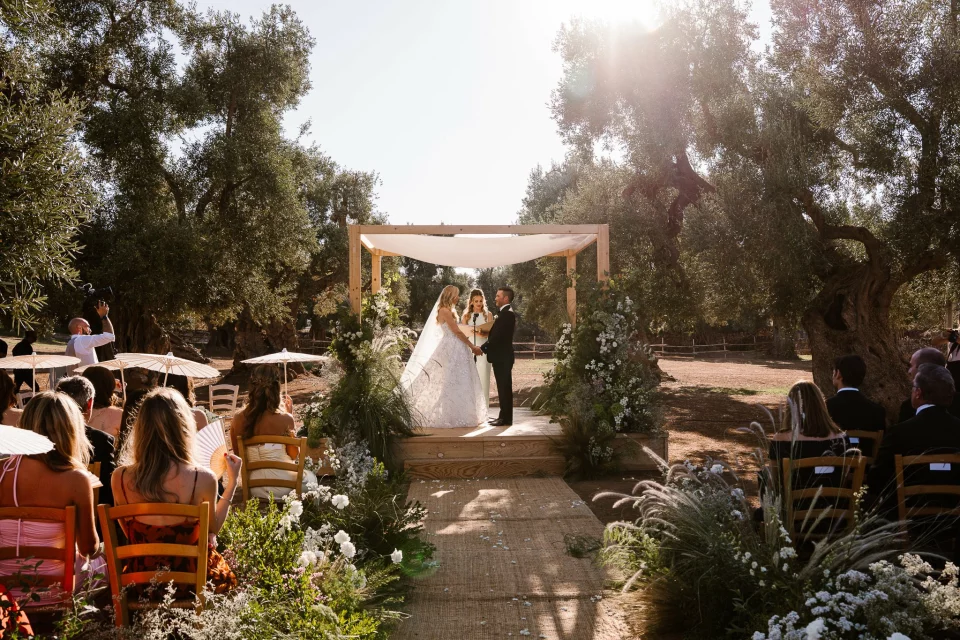
TLDR: A wedding ceremony lasts about 20 to 30 minutes on average. Civil ceremonies run 10 to 20 minutes, secular ceremonies 20 to 30, Protestant and Jewish ceremonies 30 to 45, and a full Catholic Mass 60 to 90 minutes. The length depends on readings, music, rituals, and your officiant's remarks. Below we break down typical lengths by ceremony type and how to plan yours.
Ceremony length shapes your whole wedding day timeline, from photos to cocktail hour, so it pays to plan it. The good news is the ranges are predictable once you know your ceremony type. ThePerfectWedding.com pulled the current figures, and paired them with our wedding day timeline template.
Key Facts at a Glance
- Most ceremonies run 20 to 30 minutes, averaging about 30 (Source: industry data, 2026)
- Civil ceremonies run 10 to 20 minutes (Source: industry data, 2026)
- Protestant and Jewish ceremonies run 30 to 45 minutes (Source: industry data, 2026)
- A full Catholic Mass runs 60 to 90 minutes (Source: industry data, 2026)
- The legal core takes about 5 minutes (Source: industry data, 2026)
How Long Is a Wedding Ceremony?
Most wedding ceremonies last 20 to 30 minutes, long enough to include the processional, a reading or two, vows, the ring exchange, and the recessional without testing anyone's patience. The exact length depends on your tradition and how many elements you include. The legal essentials alone take about five minutes, so most of the time is the personal and ceremonial parts. Anchor it in your full day with our wedding day timeline.
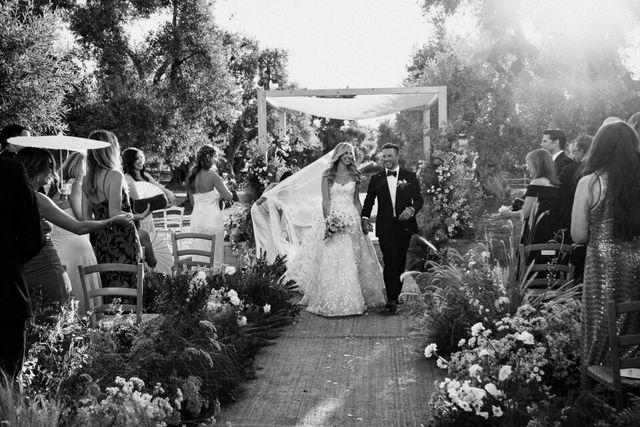
Wedding Ceremony Length by Type
Length varies most by ceremony type. Here is a guide.
| Ceremony type | Typical length |
|---|---|
| Civil | 10 to 20 minutes |
| Secular or non-religious | 20 to 30 minutes |
| Protestant | 30 to 45 minutes |
| Jewish | 30 to 45 minutes |
| Catholic Mass | 60 to 90 minutes |
What Affects How Long a Ceremony Lasts?
Several elements stretch or shorten a ceremony:
- Readings. Each one adds a few minutes; more readings, longer ceremony.
- The processional. A large wedding party takes 5 to 8 minutes to enter.
- The officiant's remarks. A welcome and homily can run 5 to 20 minutes.
- Music performances. Live songs during the ceremony add time.
- Unity rituals and traditions. Candle, sand, or cultural rites add minutes.
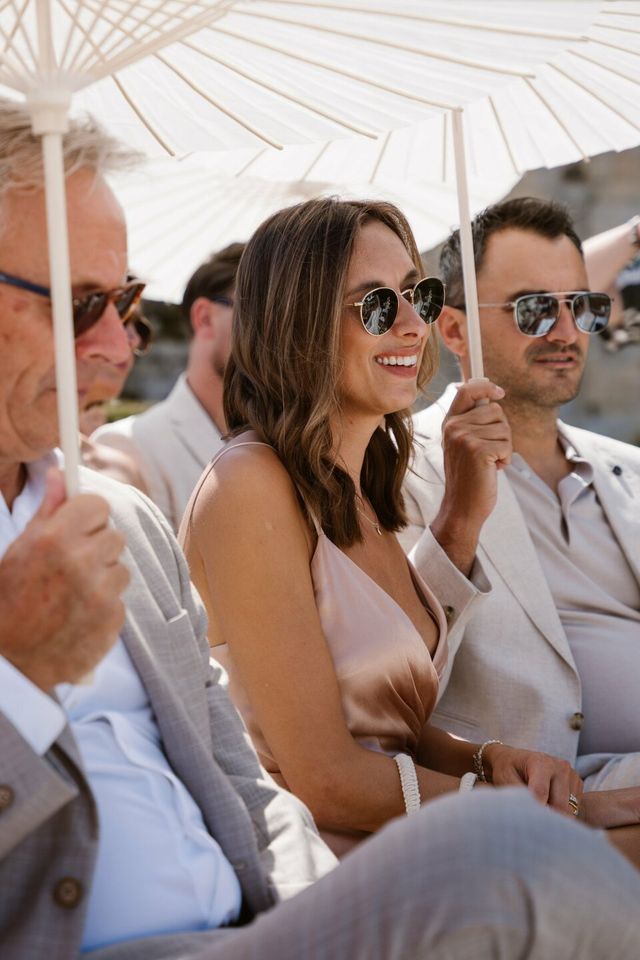
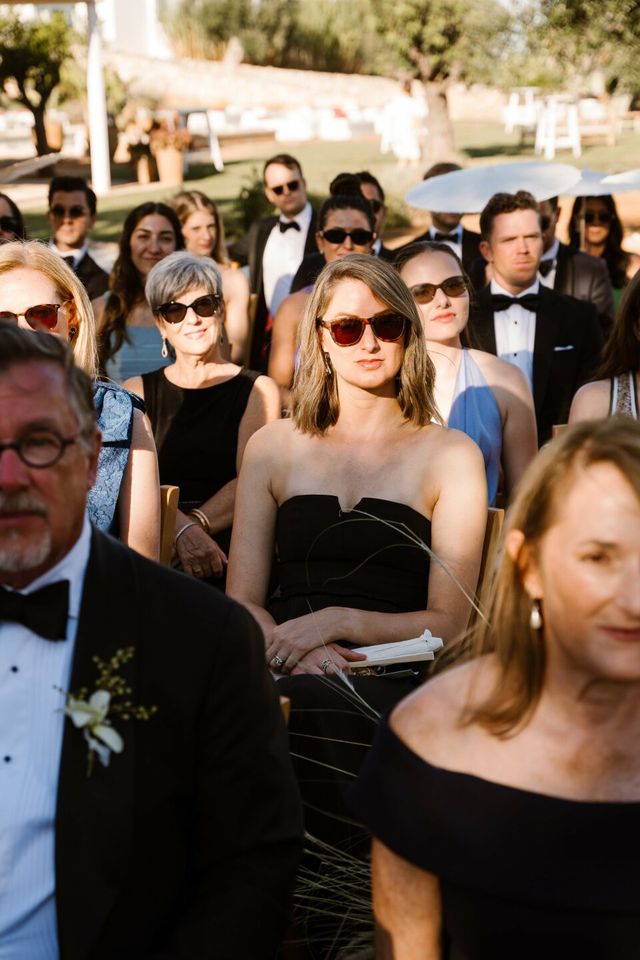
How Long Should Your Ceremony Be?
For most couples, 20 to 30 minutes hits the sweet spot, meaningful but not so long that guests grow restless. If you want a shorter ceremony, keep it to one reading, brief officiant remarks, and the essentials. For a fuller, more traditional service, add readings, music, and a unity ritual. Religious ceremonies follow set lengths, so plan around them. Discuss your ideal length with your officiant early. Our guide to choosing an officiant helps.
How Does Ceremony Length Affect Your Day?
Ceremony length is the hinge between your getting-ready photos and your reception. A 20-minute ceremony followed by a one-hour cocktail hour gives your photographer a clean window for family and couple portraits, while a 75-minute ceremony compresses everything after it. Build buffers of 10 to 15 minutes between events to absorb delays. Plan the whole flow with our wedding day timeline template so nothing feels rushed.
How Long Are the Processional and Recessional?
The processional and recessional bookend the ceremony and affect its length. A processional with a full wedding party, bridesmaids, groomsmen, flower children, and ring bearers, takes about 5 to 8 minutes, while a solo entrance is just 1 to 2. The recessional is quicker, usually about half the processional time, since the couple exits first and the party follows. Plan the order carefully with our processional order guide so the entrances flow.
How Do You Shorten a Wedding Ceremony?
If you want a brief, focused ceremony, a few choices keep it tight. Limit yourself to one reading, ask your officiant to keep the welcome and any remarks short, skip optional rituals or save them for the reception, and keep the wedding party small to speed the processional. The legal essentials, intent, vows, and pronouncement, take only about five minutes, so a meaningful ceremony in 15 minutes is entirely achievable when you trim the optional parts.
How Do You Lengthen a Ceremony Meaningfully?
To fill out a fuller ceremony, add elements that carry meaning rather than padding. Include two or three readings, a live musical performance, personal vows, and a unity ritual that resonates with you. Cultural or family traditions also add depth and time. The goal is a richer experience, not a longer wait, so every addition should earn its place. Our unity ceremony ideas offer meaningful ways to extend the ceremony.
What Time Should the Ceremony Start?
Most US weddings begin between 3:00 and 5:00 in the afternoon. This gives guests time to arrive, provides flattering light for photos, and flows naturally into cocktail hour and the reception. Work backward from your reception end time and the sunset on your date to set a start time that protects your photo windows. Share the exact time on your invitations and signage, and ask guests to arrive 20 to 30 minutes early so the ceremony can begin promptly.
How Long Should Guests Be Seated Beforehand?
Plan for guests to be seated during a prelude of about 20 to 30 minutes before the ceremony begins. That is enough time for everyone to arrive and settle without leaving them waiting too long, which matters especially for outdoor ceremonies in heat or cold. Provide programs, water on hot days, or shade where you can. For comfortable outdoor setups, see our outdoor ceremony seating guide.
How Do You Build Buffer Time Around the Ceremony?
Wedding days run late more often than not, so cushion the ceremony with buffers. Add 10 to 15 minutes between major events, the so-called rule that anything taking five minutes will take longer on the day, and share the timeline with your vendors and wedding party so everyone is ready. Buffers protect your photo windows and keep the ceremony from cascading into the reception. Plan the whole flow with our wedding day timeline template.
Does Guest Count Affect Ceremony Length?
Guest count has a modest effect, mostly through logistics. A large wedding means a longer processional and recessional, more time to seat everyone beforehand, and possibly a receiving line afterward, all of which add minutes around the ceremony itself. Smaller weddings move through these transitions faster. The core ceremony, vows, rings, and pronouncement, takes about the same time regardless. Plan a little extra seating and transition time for larger guest counts so nothing feels rushed.
Ultimately, the right ceremony length is the one that includes everything meaningful to you while keeping your guests comfortable and present. Plan it deliberately, build in buffers, and let your tradition and priorities, not the clock alone, set the pace for one of the most important moments of your life.
“Aim for the 20 to 30 minute sweet spot unless your tradition calls for more. Long enough to include everything that matters, short enough that guests stay fully present. Religious ceremonies have their own rhythm, so plan around them, but for everything else, trim the officiant's remarks before you trim the moments that are truly yours. And always build a buffer, because everything on a wedding day takes longer than you think.”
Sarah Glasbergen, Founder ThePerfectWedding.com
-
How long is a wedding ceremony?
Most run 20 to 30 minutes on average. Civil ceremonies are shorter at 10 to 20 minutes, while religious ceremonies range from 30 to 90 minutes depending on the tradition.
-
How long is a civil ceremony?
About 10 to 20 minutes. The legal core, declaration of intent, vows, ring exchange, and pronouncement, takes around five minutes, with readings and personal touches making up the rest.
-
How long is a Catholic wedding ceremony?
A full Catholic nuptial Mass runs about 60 to 90 minutes, including the liturgy and communion. A Catholic ceremony without a full Mass is shorter, closer to 30 to 45 minutes.
-
What makes a ceremony longer?
More readings, a large wedding party, longer officiant remarks or a homily, live music performances, and unity rituals or cultural traditions each add minutes to the ceremony.
-
How long should my ceremony be?
For most couples, 20 to 30 minutes is ideal. Keep it shorter with one reading and the essentials, or longer with more readings, music, and a unity ritual. Religious ceremonies follow set lengths.
-
How does ceremony length affect the day?
It is the hinge between getting-ready photos and the reception. A longer ceremony compresses your photo and cocktail windows, so plan it into your full timeline with buffers between events.
Time Your Day with ThePerfectWedding.com
Plan the full flow with our wedding day timeline template and ceremony program guide, then browse wedding officiants on ThePerfectWedding.com.
The bottom line on wedding ceremony length: most run 20 to 30 minutes, with civil ceremonies shorter and religious ones longer, up to 60 to 90 minutes for a full Catholic Mass. Readings, music, the wedding party, and officiant remarks all affect it. Aim for the sweet spot, plan it into your day with buffers, and consult your officiant. Browse officiants on ThePerfectWedding.com to plan yours.


