How to Personalize Your Wedding Ceremony: Ideas and Tips
How to Personalize Your Wedding Ceremony: Ideas and Tips Meta Description: How to personalize your wedding ceremony: vows, readings, music, unity rituals, and traditions that make it yours.

by Sarah Glasbergen on 28 June 2026
Web editor
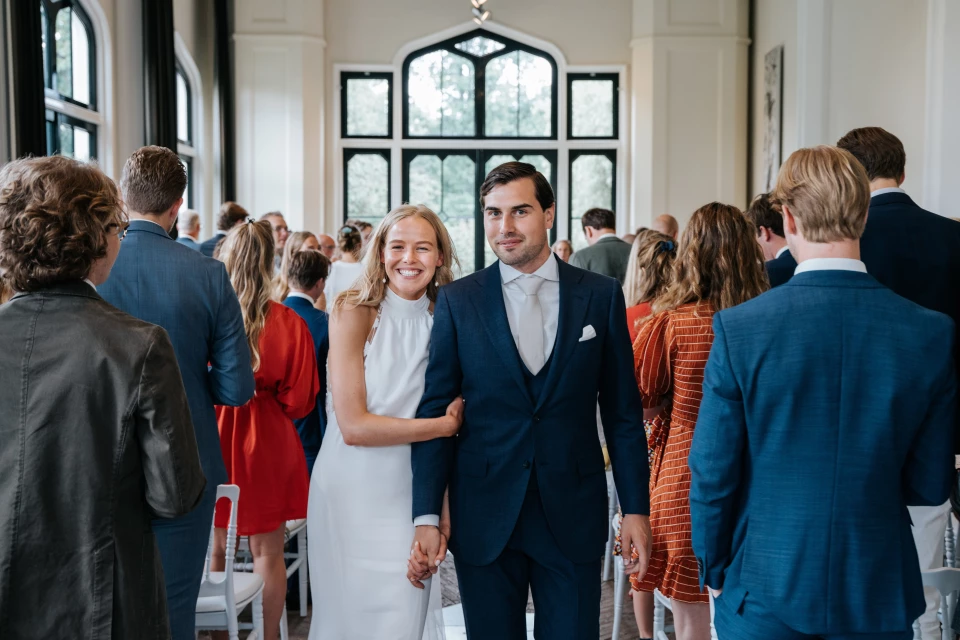
TLDR: To personalize your wedding ceremony, write your own vows, choose meaningful readings and music, add a unity ritual, weave in cultural or family traditions, and share your story through the officiant's welcome. The goal is a ceremony that feels unmistakably yours while keeping the legal essentials. Below are the best ways to personalize each part of the ceremony, from the processional to the recessional.
A personalized ceremony is the difference between a service guests sit through and one they feel. With a few thoughtful choices, you can make every part reflect who you are as a couple. ThePerfectWedding.com gathered the ideas, and paired them with our ceremony program guide.
Key Facts at a Glance
- Personal vows are the most powerful way to personalize a ceremony (Source: industry advice, 2026)
- Readings and music let you weave in your story (Source: industry advice, 2026)
- Unity rituals add symbolic, personal meaning (Source: industry advice, 2026)
- Cultural and family traditions honor your heritage (Source: industry advice, 2026)
- The legal essentials must remain in any ceremony (Source: industry data, 2026)
How Do You Personalize a Wedding Ceremony?
Personalizing means shaping each flexible part of the ceremony, the welcome, readings, vows, music, rituals, and recessional, so it reflects your relationship, while keeping the legal core intact. You do not need to reinvent the whole thing; even a few personal touches transform the feel. Start by deciding what matters most to you as a couple, then build those elements in. Use the structure in our ceremony program guide as your canvas.
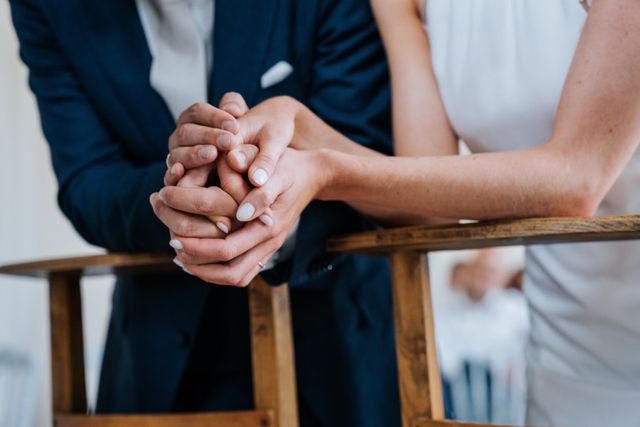
Ways to Personalize Your Ceremony
Here are the most effective ways to make the ceremony yours.
| Element | How to personalize |
|---|---|
| Vows | Write your own promises |
| Readings | Choose meaningful poems or texts |
| Music | Pick songs that mean something |
| Unity ritual | Add a symbolic ceremony |
| Traditions | Weave in cultural or family customs |
Should You Write Your Own Vows?
Personal vows are the single most powerful way to personalize your ceremony. In your own words, you can speak to your shared history, your promises, and your hopes in a way no template can match. If writing feels daunting, start from prompts and keep them to a couple of minutes each. Even keeping traditional vows and adding one personal line makes a difference. Our guide to writing vows walks you through it step by step.
How Do Readings and Music Personalize the Ceremony?
Readings and music are easy, high-impact ways to weave in your story. Choose readings that capture your relationship, a beloved poem, a passage from a meaningful book, or lyrics from your song, and ask people you love to deliver them. For music, select pieces that mean something for the processional, signing, and recessional. Together they give the ceremony a soundtrack and a voice that are unmistakably yours. See our ceremony program guide for ideas.
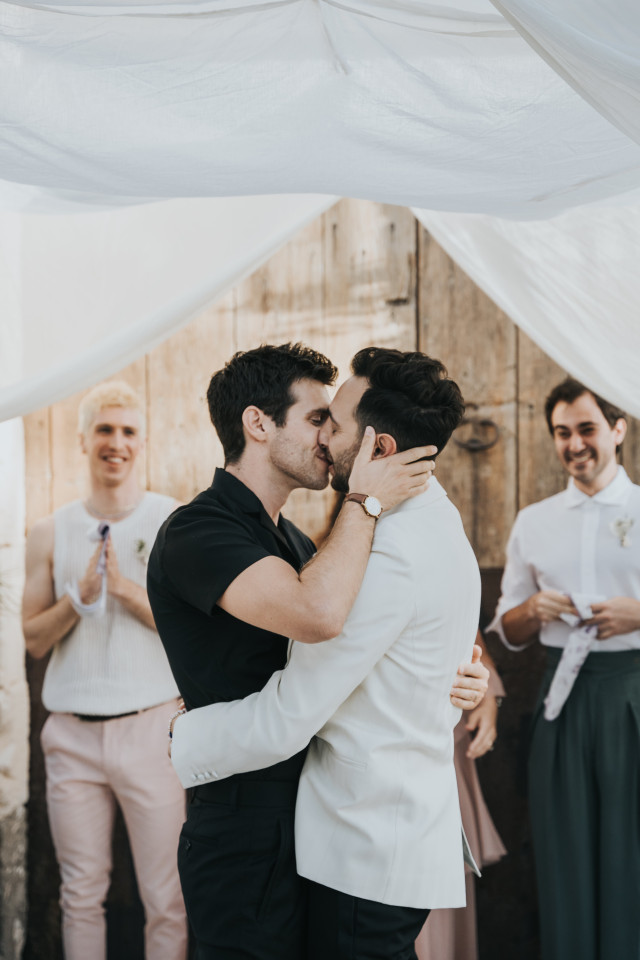
What Rituals and Traditions Can You Add?
Symbolic rituals and traditions add depth and meaning:
- A unity ritual. Candle, sand, handfasting, or a wine or time-capsule box.
- Cultural traditions. Honor your heritage with customs meaningful to your families.
- Family involvement. Invite parents or children into a blessing or ritual.
- A ring-warming. Pass the rings among guests to be blessed before the exchange.
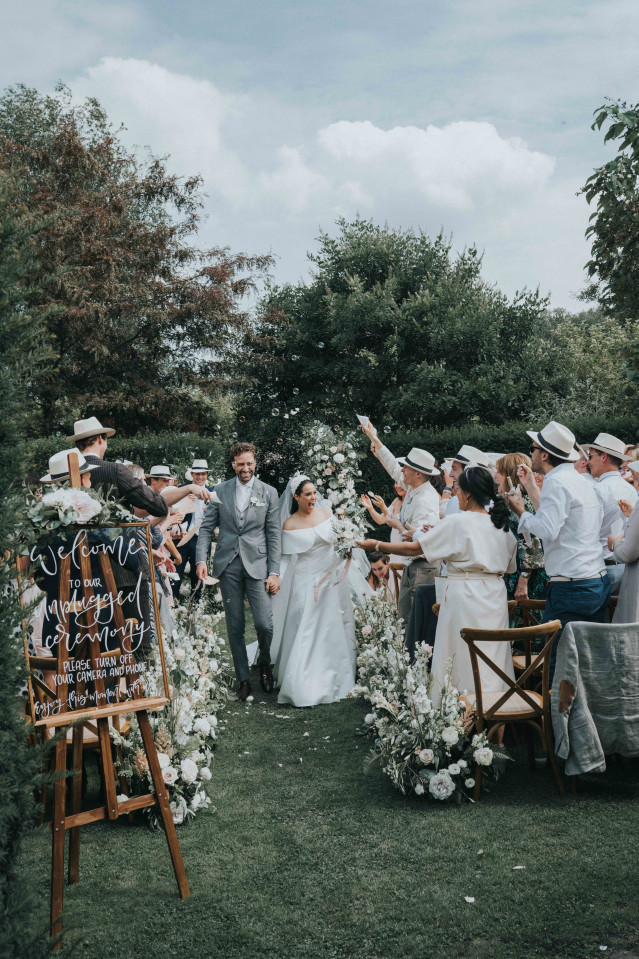
- A personal recessional. Exit to an upbeat song that captures your joy.
How Do You Keep It Personal Without Losing Structure?
The art is balancing personality with flow. Keep the legal essentials and the familiar arc so guests can follow along, then layer your personal touches onto that backbone rather than scrapping it. Lean on your officiant, who can help you weave your story, vows, and rituals into a coherent ceremony that still moves at a good pace. A great officiant is your partner in this. Find one with our guide to choosing an officiant.
How Do You Personalize the Processional?
The processional is a prime spot to break from convention. You might walk in with both parents, by yourself, or together with your partner, choose a song that means something rather than a default march, or change the order in which the wedding party enters. These choices set the tone the moment the ceremony begins. Decide what feels right for your families and your relationship, and map it out with our processional order guide.
How Do You Involve Family and Friends?
Bringing loved ones into the ceremony makes it richer for everyone. Invite people to give readings, take part in a unity ritual, present the rings, offer a blessing, or serve as ushers welcoming guests. Parents and children can be woven in through a family blessing or a candle-lighting. Giving the people closest to you a genuine role, rather than just a seat, deepens the meaning of the day and makes the ceremony feel like a true gathering of your community.
How Do You Honor Loved Ones Who Have Passed?
Many couples include a quiet tribute to those who could not be there. A moment of silence, an empty chair with a single flower, a framed photo on the signing table, a beloved possession carried down the aisle, or a line in the program are all gentle ways to honor their memory. Choose what feels true to you and brief enough not to shift the mood for long. A note in your ceremony program is a graceful option.
Should You Match the Ceremony to Your Venue and Theme?
A cohesive wedding feels intentional, so let your ceremony echo your venue and style. A garden ceremony might lean natural and relaxed with acoustic music, while a grand ballroom suits a more formal tone. Tie your decor, music, and even the length to the setting and season. This does not mean over-styling, just making sure the ceremony feels of a piece with the rest of the day so guests experience one seamless celebration rather than two disconnected events.
How Much Personalization Is Too Much?
Personal touches are wonderful until they crowd the ceremony and slow its pace. Resist the urge to include every idea, several readings, multiple rituals, long remarks, and a lengthy processional, which can leave guests restless. Choose the few elements that mean the most and let them shine, keeping the overall ceremony in the comfortable 20 to 30 minute range. Lean on your officiant to keep it flowing. Quality of personalization beats quantity every time.
How Do You Start Personalizing Your Ceremony?
Begin by talking with your partner about what matters most to you, your relationship, your values, your families, and the moments you want guests to feel. From that short list, decide which parts of the ceremony to personalize first, whether that is the vows, a particular reading, or a ritual that honors your heritage. Then bring those priorities to your officiant, who can help shape them into a coherent service. Use our guide to choosing an officiant to find the right partner.
“Personalizing your ceremony is not about throwing out tradition; it is about choosing which parts to make your own. Write your vows, pick readings and music that sound like you, add one ritual that means something, and let your officiant tie it together. You do not need to personalize everything, just the moments that matter most. That is what makes guests feel they truly witnessed your marriage, not just attended it.”
Sarah Glasbergen, Founder ThePerfectWedding.com
-
How do I personalize my wedding ceremony?
Write your own vows, choose meaningful readings and music, add a unity ritual, weave in cultural or family traditions, and share your story through the officiant's welcome, all while keeping the legal essentials.
-
What is the best way to personalize a ceremony?
Personal vows are the most powerful, since they speak in your own words. Readings, music, and a unity ritual are also high-impact and easier to add if writing vows feels daunting.
-
Can you personalize a religious ceremony?
To a degree. Religious ceremonies follow more set structures, but you can often add personal readings, music, and touches within them. Discuss what is possible with your officiant or clergy early.
-
What unity rituals can I add?
A unity candle, sand ceremony, handfasting, wine or time-capsule box, or a ring-warming. Choose one that feels meaningful rather than adding several, so it stays a highlight.
-
Do I have to keep any traditional parts?
Yes, the legal elements, the declaration of intent, vows, and pronouncement, must remain. Beyond those, you are free to personalize the readings, music, rituals, and wording.
-
How do I personalize without losing structure?
Keep the familiar ceremony arc and legal essentials as your backbone, then layer personal touches onto it. Lean on your officiant to weave everything into a coherent, well-paced ceremony.
Make It Yours with ThePerfectWedding.com
Personalize every part with our vows guide, ceremony program guide, and unity ceremony ideas, then browse wedding officiants on ThePerfectWedding.com.
The bottom line on personalizing your wedding ceremony: write your own vows, choose readings and music that reflect you, add a meaningful unity ritual, and honor your traditions, all layered onto the familiar ceremony structure. You do not have to personalize everything, just the moments that matter most, with your officiant's help. That is what makes a ceremony unforgettable. Browse officiants on ThePerfectWedding.com to craft yours.


