Ivory vs White Wedding Dress: How to Choose the Right Shade
Ivory vs white wedding dress: the shade spectrum from stark white to blush, skin tones, fabrics, matching veils, photography and venue lighting.

by Sarah Glasbergen on 18 November 2026
Web editor
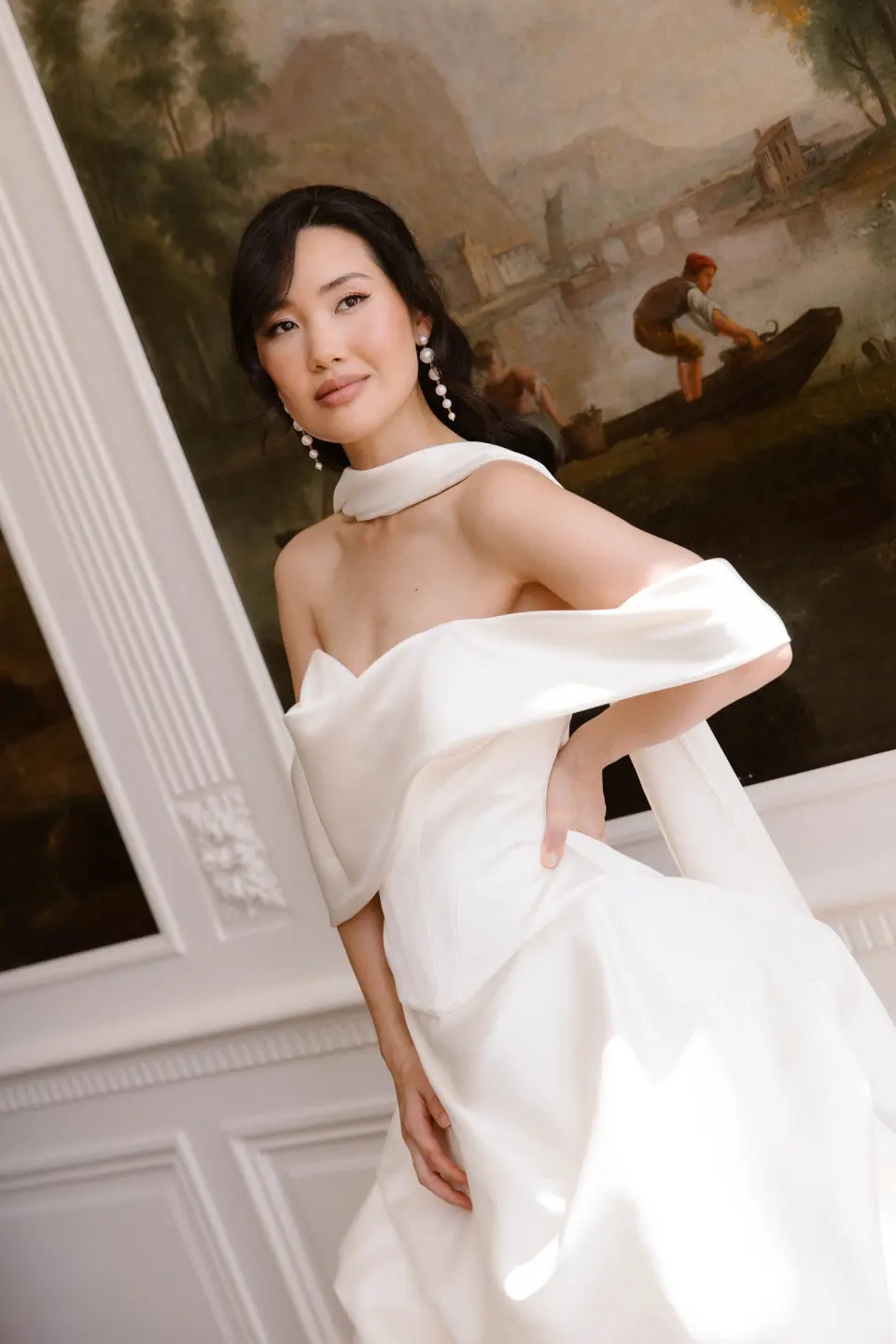
TLDR: The difference between an ivory and a white wedding dress is undertone. Stark white is bright with a cool, blue undertone; ivory is a soft white with a warm, creamy or yellow undertone. Ivory is by far the most popular choice and flatters most skin tones, while stark white looks crisp on deeper and cool skin tones and in modern settings. The best way to choose is to compare shades against your skin in daylight at a bridal boutique. This guide covers the full shade spectrum, skin tones, fabrics, veils and accessories, photography and venue lighting.
By Sarah Glasbergen, Founder ThePerfectWedding.com. Updated November 2026
Key Facts at a Glance
- Ivory leads: 59% of brides chose an ivory wedding dress (Source: The Knot Wedding Attire Study, 2018)
- Whites: 13% chose soft white and 9% chose pure or stark white (Source: The Knot Wedding Attire Study, 2018)
- Warmer tones: 7% of brides chose a champagne dress (Source: The Knot Wedding Attire Study, 2018)
- Color option: 6% wore colorful attire instead of white (Source: The Knot Wedding Attire Study, 2018)
- Dress budget: the average wedding dress costs about $2,100 (Source: The Knot Real Weddings Study, 2026)
When you start shopping, you quickly discover that bridal white comes in many shades. Two dresses that look identical online can look completely different next to your skin. Understanding the spectrum will help you choose a shade that makes you glow.

What is the difference between ivory and white wedding dresses?
White and ivory are both bridal whites, but they have different undertones. Stark white, sometimes called optic or bright white, has a cool, slightly blue base. Ivory has a warm base with a hint of cream or yellow, so it looks softer and less bright.
Next to each other the difference is obvious, but on its own an ivory dress simply reads as white to most guests. That is one reason ivory is the most popular choice: it looks bridal without the harsh brightness of pure white.
What wedding dress shades are there?
Bridal designers use their own names, but most shades fall on a spectrum from cool to warm. Here is how the main options compare.
| Shade | Undertone | Looks like | Flatters |
|---|---|---|---|
| Stark white | Cool, blue | Bright, crisp, optic white | Deeper and cool skin tones, olive skin |
| Natural or silk white | Neutral | Soft white, the natural color of silk | Almost every skin tone |
| Ivory | Warm, cream | Slightly creamy white | Most skin tones, especially fair and warm |
| Champagne | Warm, gold or beige | Ivory with a golden blush | Warm and olive skin tones |
| Blush | Warm, pink | Very pale pink | Fair to medium skin; romantic looks |
Many gowns combine shades, for example ivory lace over a champagne or nude lining. That layering adds depth and is often where the most flattering tones come from. Love the pink end of the spectrum? Read our blush wedding dress guide.


Which wedding dress color suits your skin tone?
Your undertone matters more than how light or dark your skin is. A quick test: look at the veins on your wrist in daylight. Bluish veins suggest a cool undertone, greenish veins a warm undertone, and a mix suggests neutral.
- Fair skin with cool undertones: soft or natural white and light ivory; very stark white can wash you out.
- Fair skin with warm undertones: ivory, champagne and blush add warmth.
- Medium and olive skin: ivory, champagne and natural white all glow.
- Deeper skin tones: stark white creates beautiful contrast; champagne and gold-toned ivory also look striking.
- Neutral undertones: lucky you; most shades will work.
Hair color and makeup play a role too. Warm red and golden hair tends to glow next to ivory and champagne, while very dark hair and bold lips create a striking contrast with stark white.
These are guidelines, not rules. ThePerfectWedding.com recommends holding a stark white and an ivory sample up to your face side by side; the one that makes your skin look brighter and your eyes clearer is your shade.


How does fabric change the shade of a wedding dress?
The same shade name can look different from one fabric to another, because each fabric reflects light in its own way. Natural fibers also have their own color.
- Silk: naturally off-white, so silk gowns are usually natural white or ivory rather than stark white.
- Synthetic satin and polyester: can be made bright, stark white.
- Satin and mikado: shiny surfaces reflect light and look brighter.
- Crepe: matte, so shades look softer and more even.
- Lace and tulle: the lining underneath strongly changes the color you see.
- Beading and embroidery: silver, gold or champagne threads warm or cool the overall look.
If you love lace, see how different shades and linings change the look in our lace wedding dress guide.

How do you match your veil and accessories to your dress color?
Your veil, shoes and jewelry should match or be slightly lighter than your dress. A stark white veil over an ivory gown will make the dress look yellow, while an ivory veil over a white dress can look dingy.
- Order your veil from the same boutique and ask for the matching shade.
- Bring a fabric swatch from your dress when shopping for shoes and accessories.
- Choose gold or rose gold jewelry with ivory and champagne, and silver or platinum with stark white.
- Pearls come in different shades too; cream pearls suit ivory, bright white pearls suit white.
Find your style in our guides on how to choose a wedding veil and our bridal jewelry guide.


Does ivory or white look better in wedding photos?
Both photograph beautifully when your photographer knows how to expose for them. Stark white has the highest risk of losing detail in bright sun, because the camera can overexpose the fabric. Ivory and champagne hold texture and lace detail more easily.
- Tell your photographer your dress shade so they can adjust white balance and exposure.
- Golden hour light flatters every shade; see our guide to golden hour wedding photos.
- In photos, ivory can look white, while stark white can look slightly blue in shade.
- Look through your photographer's portfolio for weddings in a similar shade.

How does venue lighting affect your dress color?
The light at your venue can change how your dress reads to guests and on camera. Warm indoor light makes everything look creamier, while cool daylight emphasizes the blue in stark white.
- Outdoor daylight and beaches: stark white looks crisp; ivory looks soft and natural.
- Candlelight and warm interiors: ivory and champagne glow; stark white can look harsh.
- Churches and historic venues: warm stone and wood complement ivory.
- Modern, white-walled venues: a white dress blends in; ivory adds subtle contrast.
If possible, visit your venue at the time of day of your ceremony and imagine your shade in that light. Your florist and decorator can also help: cream, blush and greenery flatter ivory, while crisp white flowers and silver details echo a stark white gown.

How do you choose the right shade at a bridal boutique?
Shade is easiest to judge in person. A bridal consultant can show you the same style in different colorways and explain the lining options a designer offers.
- Ask to see the dress in daylight near a window, not only under store lighting.
- Compare the same gown in two shades if the boutique has both samples.
- Ask which colorways the designer offers, including custom linings.
- Wear your usual makeup so you see the shade the way it will look on the day.
According to ThePerfectWedding.com's dress shopping advice, it is often the shade, not the style, that makes a dress feel right. Read our wedding dress shopping tips before your appointment.
“Ivory or white is a question of undertone, not right or wrong. Hold both shades against your skin in natural light and you will see the difference immediately. Choose the one that makes you glow, then match your veil and accessories to it.”
Sarah Glasbergen, Founder ThePerfectWedding.com
Ivory vs White Wedding Dress FAQ
-
What is the difference between ivory and white?
Stark white has a cool, blue undertone; ivory has a warm, creamy undertone and looks softer.
-
Is ivory or white more popular for wedding dresses?
Ivory. In The Knot's attire research, 59% of brides chose ivory, compared with 9% for stark white.
-
Does an ivory dress look yellow in photos?
Not when your photographer sets the right white balance. Ivory usually reads as soft white in photos.
-
Should my veil be white or ivory?
Match your veil to your dress, or go a touch lighter. Never pair a stark white veil with an ivory dress.
-
Which wedding dress shade suits pale skin?
Soft white, natural white and light ivory are often most flattering; very stark white can wash out fair skin.
-
Can I wear champagne or blush instead of white?
Yes. Champagne and blush are popular warm alternatives that flatter many skin tones.
Find your wedding dress
Explore styles, shades and inspiration from bridal designers on ThePerfectWedding.com.
Next steps: our colored wedding dresses guide and wedding dress trends.


