Candid Wedding Photos: How to Get Natural, Unposed Moments
How to get candid wedding photos: choose a documentary photographer, brief them well, add timeline buffers, use a second shooter and go unplugged.

by Sarah Glasbergen on 18 November 2026
Web editor
TLDR: The most natural, candid wedding photos come from three choices: hiring a photographer who works in a documentary or photojournalistic style, briefing them on the people and moments that matter instead of handing over a long shot list, and building enough breathing room into your timeline that they can observe rather than rush. A second shooter and an unplugged ceremony add even more real moments. This guide covers how to spot a true candid photographer, what to tell them, how to plan your day around real moments and how to relax in front of the lens.
By Sarah Glasbergen, Founder ThePerfectWedding.com. Updated November 2026
Key Facts at a Glance
- Photography investment: couples spent an average of $3,000 on their wedding photographer (Source: The Knot Real Weddings Study, 2026)
- Documentary pricing: professional documentary wedding photographers average $3,500 to $5,300 (Source: Zola First Look Report and Wedding Spend Survey, 2026)
- Social-first content: 40% of couples ask their professional photographers for social-first content such as vertical video (Source: Zola First Look Report, 2026)
- Pressure to look perfect: 54% of Gen Z couples feel pressure to have a social media worthy wedding (Source: Zola First Look Report, 2026)
- A new generation: Gen Z makes up 41% of couples getting married (Source: The Knot Real Weddings Study, 2026)
Ask couples which photos they love most a year after the wedding, and the answer is rarely the perfectly posed portrait. It is the grandparent wiping away a tear, the best friend mid-laugh during the toast, the quiet squeeze of a hand before the vows. Those moments cannot be staged, but they can absolutely be planned for. Here is how.

What makes a wedding photo candid?
A candid wedding photo captures a real moment as it happens, without the subjects posing or looking at the camera. The photographer observes, anticipates and presses the shutter at the right second, rather than arranging people into position. The result feels like a memory, not a portrait session.
Candid does not mean careless. The best candid images are carefully composed, well lit and perfectly timed, which is exactly why they take skill. For a full overview of the main approaches, read our guide to wedding photography styles; below we focus only on getting natural, unposed coverage.
Which photography style gives you the most natural photos?
Photographers use different labels for similar work, so look at how they actually shoot rather than what they call themselves. These are the approaches you will see most often:
| Style | How it works | Interaction with you | Best for |
|---|---|---|---|
| Photojournalistic | Pure observation, no direction or setup | Minimal; the photographer stays in the background | Couples who want a true story of the day |
| Documentary blend | Mostly unposed, with light direction for flattering light and angles | Occasional gentle prompts | Most couples who want natural but polished photos |
| Editorial | Magazine-style images with styling and set-ups | High; hair, posture and light are adjusted | Fashion-forward portraits |
| Traditional | Structured, posed photos and formal groupings | High; most images are directed | Families who want classic portraits of everyone |
According to Zola, the documentary blend is what most couples now mean when they ask for candid coverage: photos that feel unposed but still flatter everyone in them. Zola also notes that great candid work often costs more, not less, because it takes experience and fast reactions to anticipate moments.


How do you find a photographer who is great at candids?
Highlight reels can be misleading because every photographer shows their strongest frames. To judge candid skill, you need to see how they document an entire day, including the quieter parts.
- Ask for two or three full galleries, not just a portfolio, and look at the cocktail hour, the speeches and the dance floor.
- Count the camera-aware faces. If nearly every guest is looking at the lens and smiling, the photographer may lean more traditional.
- Look for reactions, not just the main event: parents during the vows, friends during the toast, kids on the dance floor.
- Check consistency in difficult light, such as dark reception rooms and bright midday ceremonies.
- Ask how they work during family portraits and how quickly they move through them, so less of your day is spent posing.
Our guide on how to choose a wedding photographer covers interviews, contracts and reviews in more depth. ThePerfectWedding.com recommends meeting your shortlist on video or in person: you will relax far more in front of someone you genuinely like.
How should you brief your photographer for candid coverage?
The biggest mistake couples make is handing over a long checklist of specific shots. Every minute your photographer spends ticking boxes is a minute they are not watching for real moments. A better brief is about people and priorities.
- Keep the must-have list short: limit it to family groupings and a handful of truly essential images.
- Name your VIPs: share who matters most, such as a grandparent, a sibling flying in from abroad or a best friend, with a photo so they can be recognized.
- Share the backstory: mention a surprise speech, a family heirloom or a reunion your photographer should not miss.
- Flag sensitivities: divorced parents, guests who prefer not to be photographed or relatives who should not be grouped together.
- Discuss social content separately: if you want same-day vertical video, ask whether your photographer offers it or can recommend a content creator to work alongside them.
For the formal side, prepare a clear family photo list with names and groupings. A well-organized family session lets your photographer get back to documenting the day faster.


Do you need a second shooter for candid photos?
A second shooter is not essential for every wedding, and our guide on whether you need a second photographer explains when it pays off. For candid coverage specifically, the benefit is simple: two people see twice as many moments.
- During the ceremony, one photographer covers the couple while the other captures guest reactions.
- During family formals, the second shooter documents cocktail hour, guests and reception details.
- During speeches, one photographer frames the speaker and the other catches the couple laughing or tearing up.
- On the dance floor, two angles mean more of your guests appear in the gallery.
The Knot notes that for small weddings of about 75 guests or fewer, a single photographer can often cover everything with careful timeline planning. Always book a second shooter through your lead photographer, so the contract, editing style and delivery stay consistent.

How does your wedding timeline affect candid photos?
Candid photos need time. When every block of the day is packed back to back, your photographer is forced into a rushed, directing mode. Small buffers let them step back and observe.
- Add 15 minutes of breathing room at the end of getting ready, so the final touches are not a scramble.
- Keep family formals tight: Zola reports that family formals typically take 15 to 20 minutes with a clear list and a helper to gather people.
- Consider a first look or a short portrait session before the ceremony, so you can enjoy more of cocktail hour.
- Protect the first hour of the reception, when speeches, first dances and toasts create the most emotional moments.
- Plan a golden hour break of ten to fifteen minutes for natural couple portraits in soft light.
Work through the full schedule with your photographer using our wedding photography timeline. A full day of documentary coverage typically produces 400 to 800 or more edited images, according to Zola, so time spent observing translates directly into a richer gallery.


Should you have an unplugged ceremony for better candid photos?
An unplugged ceremony, where guests put phones away, is a personal choice with its own etiquette. From a photography point of view, the benefit is clear: an aisle free of raised phones and faces that are actually looking at you, not at a screen.
- Ask your officiant to make a short, friendly announcement before the processional.
- Add a line to your wedding website and a small sign at the ceremony entrance.
- Promise guests that professional photos will be shared, so they feel free to be present.
- Keep the reception plugged in if you like, since guest snapshots add a fun extra perspective.
Even a partly unplugged day, for example during the processional and vows only, gives your photographer cleaner and more emotional ceremony images.

How can you feel relaxed in front of the camera?
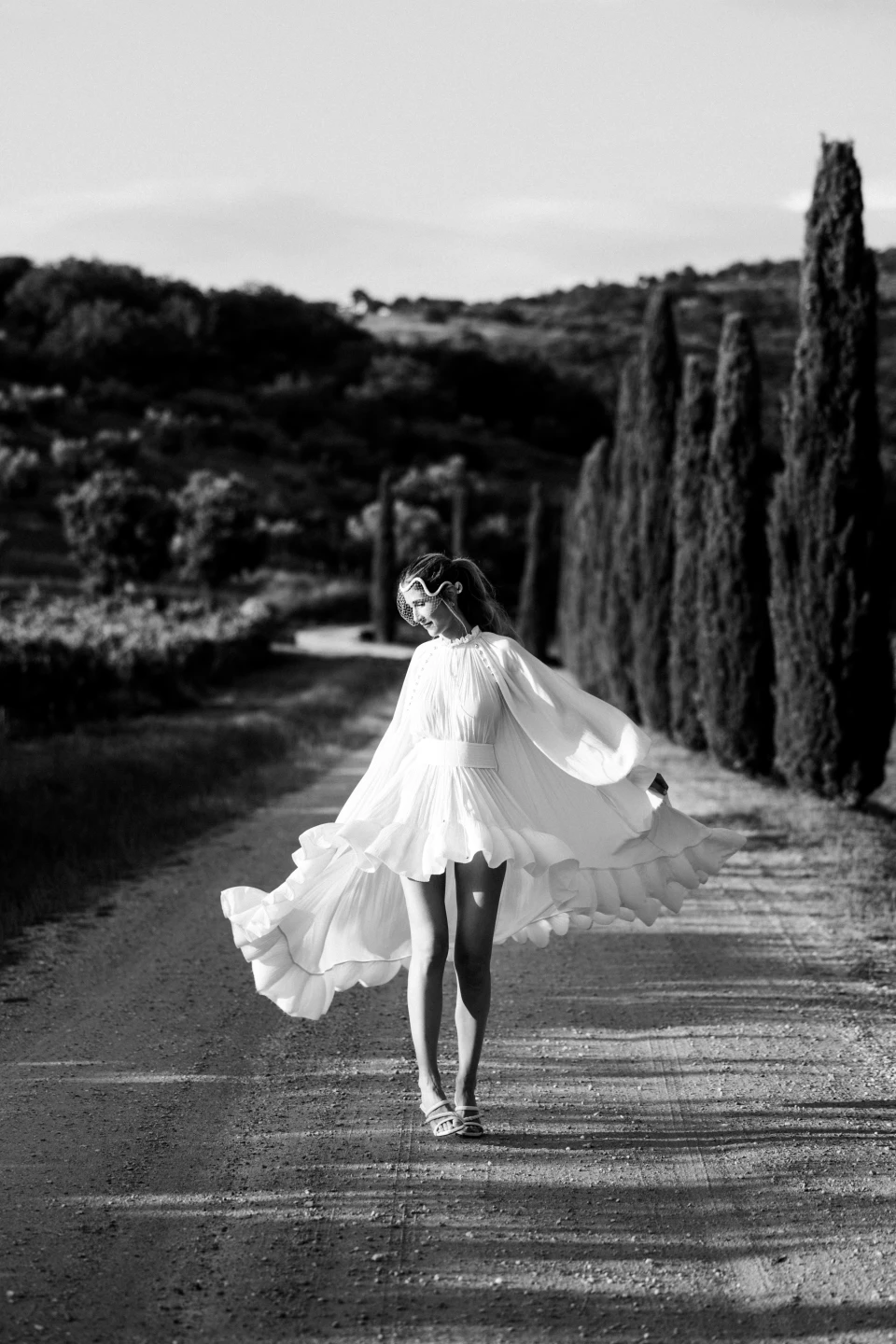
Most couples say they feel awkward when they know the camera is on them. Candid photographers solve that with prompts rather than poses: a whispered secret, a walk with a spin, a private moment to read a note from each other. The movement creates real laughter and real connection.
Get familiar with this approach before the wedding. An engagement session lets you learn how your photographer works, and our guide to wedding photo poses includes natural prompts you can try together. On the day, ThePerfectWedding.com suggests one simple rule: once the photographer is there, forget about them and focus on each other.

“The photos couples treasure most are the ones they did not know were being taken. Hire someone whose full galleries move you, tell them about your people instead of handing over a long checklist, and give them the time to watch. The real moments will take care of themselves.”
Sarah Glasbergen, Founder ThePerfectWedding.com
Candid Wedding Photos FAQ
-
What is candid wedding photography?
Candid wedding photography captures real, unposed moments as they happen, without the couple or guests looking at the camera.
-
What is the difference between documentary and photojournalistic wedding photography?
Photojournalistic photographers never direct or set up shots. Documentary photographers mostly observe but give light direction for flattering light and angles.
-
How do I get more candid photos at my wedding?
Hire a photographer with strong full galleries, keep your shot list short, add buffers to your timeline and consider a second shooter.
-
Do I still need posed photos if I want candid coverage?
Yes, most couples want a short session of family formals and couple portraits. Keep the list focused so more of the day is documented naturally.
-
Is a second shooter worth it for candid photos?
Often, yes. A second photographer captures guest reactions and parallel moments the lead photographer cannot be present for.
-
Does an unplugged ceremony help the photos?
Yes. Without raised phones, the aisle stays clear and guests' faces show real emotion, which makes ceremony photos cleaner and more natural.
Plan your wedding photography
Find planning guides, timelines and checklists for every part of your day on ThePerfectWedding.com.
Keep reading: wedding photo editing styles and how long it takes to get your wedding photos back.


