Nigerian Wedding Traditions: A Respectful Guide to Customs, Attire and Etiquette
From the introduction and engagement to aso ebi, money spraying and jollof rice, here is how Nigerian wedding traditions come together.

by Sarah Glasbergen on 18 November 2026
Web editor
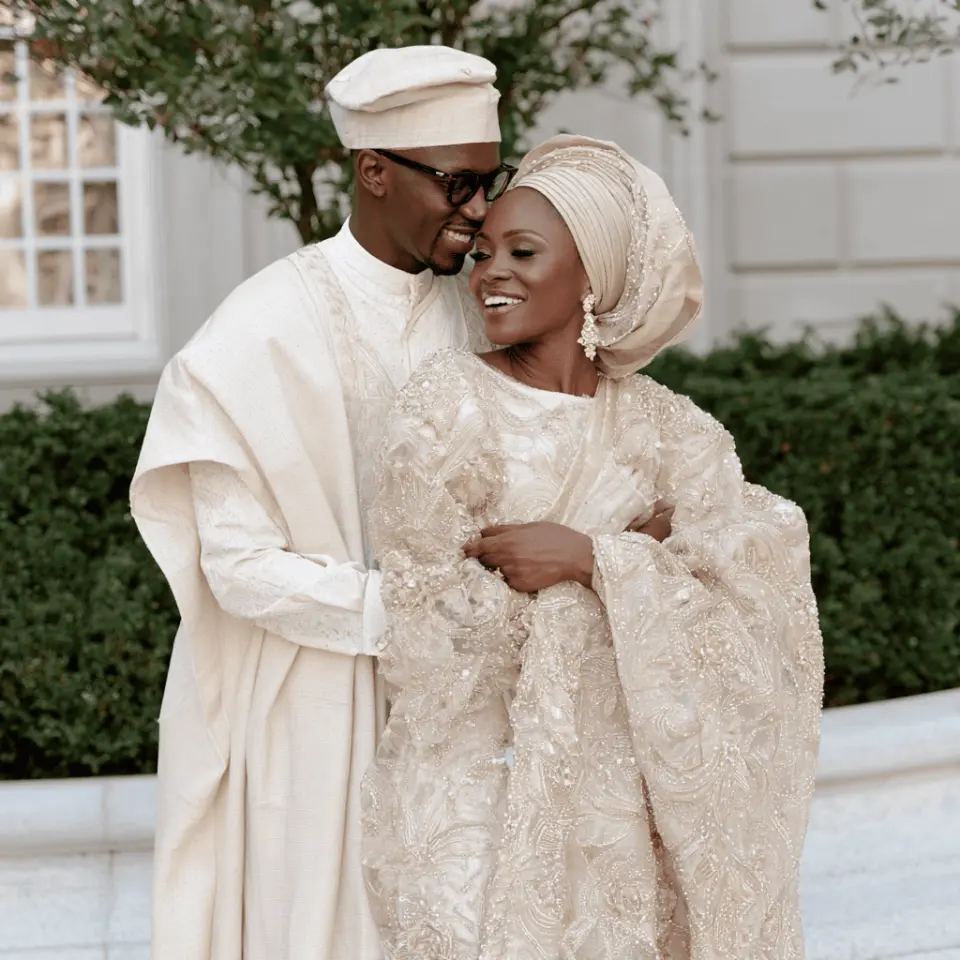
TLDR: Nigerian wedding traditions usually unfold in stages: a family introduction, a traditional engagement or marriage ceremony, and often a separate religious or "white" wedding. The details depend heavily on heritage, with Yoruba, Igbo and Hausa families each following their own order of events, attire and symbolic moments. Shared threads include coordinated family fabric called aso ebi, joyful money spraying, generous food and a strong sense that the whole community is celebrating. This guide covers the engagement customs of the three largest groups, attire, aso ebi, money spraying, food, combining ceremonies and guest etiquette.
Key Facts at a Glance
- Hundreds of cultures, not one: Nigeria is home to more than 250 ethnic groups, so no single list of customs fits every family. (Source: CIA World Factbook)
- Three large groups: Hausa (about 30%), Yoruba (about 15.5%) and Igbo (about 15.2%) are the largest ethnic groups in Nigeria. (Source: CIA World Factbook, 2018 est.)
- Different names for the big day: the traditional ceremony is usually called the engagement for Yoruba families, igba nkwu for Igbo families and fatiha for Hausa families. (Source: The Knot, 2025)
- Multiple outfits: Igbo brides usually change outfits two to three times during the traditional celebration. (Source: The Knot, 2025)
- Money spraying adds up: at some larger celebrations, sprayed cash can exceed $5,000, according to planner Bisola Esiemokhai. (Source: The Knot, 2025)
Nigerian weddings are famous for color, music and scale, but at their heart they are about two families formally joining. Whether you are planning your own celebration, marrying into a Nigerian family or attending as a guest, ThePerfectWedding.com's guide walks you through the traditions with respect for how much they vary. Treat it as a starting point for family conversations, not a rulebook.

What are the main stages of a Nigerian wedding?
Most Nigerian weddings follow a version of these stages, spread over months or fitted into one weekend.
- Introduction or first visit: the groom's family formally meets the bride's family to declare intent.
- Bride price and gifts: the groom's side presents items or money from a list provided by the bride's family. Contents vary widely by group and family.
- Traditional marriage ceremony: the cultural celebration with elders, blessings, traditional attire and music.
- Religious or civil wedding: a church wedding, a mosque ceremony or a civil ceremony, depending on faith and legal requirements.
- Reception and thanksgiving: a party, often followed by a church or mosque service of thanks one or two days later. (Source: The Knot, 2025)
In the United States, The Knot notes that the traditional ceremony itself has no legal standing, so couples also need a ceremony with a licensed officiant to make the marriage legal.
How do Yoruba, Igbo and Hausa engagement customs differ?
The three largest groups share values like family consent, respect for elders and gift giving, but the order of events and the symbolic moments differ. This table gives a simplified overview, and individual families may do things quite differently.
| Element | Yoruba | Igbo | Hausa |
|---|---|---|---|
| Opening step | Introduction ceremony at the bride's family home | "Knocking on the door" visit by the groom's family | Formal visit by the groom's family to the bride's parents |
| Name of main ceremony | Engagement (traditional wedding) | Igba nkwu (wine carrying) | Fatiha |
| Symbolic moment | Groom and his party prostrate before the bride's family; capping of the groom | Bride finds the groom in the crowd and offers him palm wine | Marriage solemnized in an Islamic religious ceremony |
| Typical groom's attire | Agbada with a fila cap | Isi agu top with a red cap | Baban riga with a cap |
| Typical bride's attire | Buba, iro, gele and ipele in aso oke | George wrapper, blouse and coral beads | Modest embroidered kaftan or abaya with a head covering; henna |
Sources for the table: The Knot's guides to Nigerian wedding traditions, Nigerian wedding attire and Nigerian bridal wear (2025).
Yoruba
At a Yoruba engagement, the families are often guided by masters of ceremonies, known as the Alaga Iduro for the groom's side and the Alaga Ijoko for the bride's side. The groom and his friends prostrate before the bride's family as a sign of respect. The Knot notes that the bride may choose one meaningful item from the groom's family's gifts, such as a Bible or Quran, on which her ring is placed.
Igbo
Igbo families usually begin with a "knocking on the door" visit, followed by negotiations and the igba nkwu. The emotional high point is the palm wine ceremony: the bride searches for her groom among the guests, presents him with palm wine, and he drinks, adds money to the cup and returns it. Kola nut breaking is considered sacred in many Igbo families.
Hausa
Hausa weddings are shaped by Islamic tradition and often feel more reserved in style. The fatiha is the religious solemnization, and celebrations for the bride typically include intricate henna on the hands and feet applied days before the wedding.
What is aso ebi and how does it work?
Aso ebi translates roughly to "family clothing" in Yoruba. Each family chooses a fabric or color and invites relatives, close friends and the wedding party to buy it and have their own outfits tailored. While the practice is Yoruba in origin, many other Nigerian groups take part too. (Source: The Knot, 2025)
- Who wears it: close family, friends and the couple's attendants, who are often called aso ebi girls or aso ebi ladies.
- How guests get it: fabric is usually purchased from the family or a coordinator weeks or months in advance, then sewn by a tailor.
- If you do not receive fabric: you may be asked to wear the "color of the day" instead.
- Why it matters: wearing aso ebi signals closeness to the family, and planner Bisola Esiemokhai told The Knot it can even earn better seats.
What do couples wear at a Nigerian wedding?
Attire is one of the most photographed parts of a Nigerian wedding, and many couples change looks several times. For the traditional ceremony, couples wear heritage outfits in coordinated colors, then often switch to a white gown and suit or tuxedo for the religious ceremony and a glamorous look for the reception.
- Yoruba: aso oke fabric, the gele head wrap, the agbada robe and the fila cap.
- Igbo: coral beads, George fabric and the isi agu top with its lion head motif.
- Hausa: modest gowns or kaftans, matching head coverings, henna, and the baban riga robe with a cap for the groom.
Many brides blend heritage into a Western gown with an aso oke sash, African lace details or beaded accessories, according to The Knot. Build extra time for tailoring and fittings into your timeline.

What is money spraying at a Nigerian wedding?
Money spraying is a joyful tradition where guests shower the couple with cash while they dance. It expresses blessing, celebration and good wishes for prosperity. Guests usually lay bills gently on the couple's foreheads or let them float down, and children or teens called money pickers collect the notes. Many receptions set up a change table so guests can break larger bills into small ones. (Source: The Knot, 2025)
ThePerfectWedding.com's guide to the money dance and reception money traditions covers similar customs worldwide. The Nigerian version stands out because it is energetic, often happens more than once and comes with live drummers or a band.
What food is served at a Nigerian wedding?
Food is a point of pride, and portions are generous. Menus vary by region and family, but these dishes appear often, according to The Knot.
- Jollof rice: the much-loved tomato-based rice dish, usually served with chicken, beef or fried plantain.
- Fufu and soups: swallow foods paired with rich soups and stews.
- Amala "on the spot": a Yoruba favorite, freshly made and served with ewedu and gbegiri soups.
- Meat skewers: a crowd favorite on many wedding menus.
- Drinks: palm wine, beer and wine at many weddings, while some Muslim families do not serve alcohol.
If you are hiring a caterer in the US, look for someone with experience in West African cuisine or ask whether they work alongside family cooks.

How do couples combine a traditional and white wedding?
Many Nigerian American couples plan two ceremonies, either on separate days or back to back. The traditional ceremony usually comes first, followed by a church, mosque or civil ceremony that makes the marriage legal. Interfaith and intercultural couples often weave in elements from both families, and our interfaith wedding ceremony guide can help you structure that conversation.
- Same-day format: traditional ceremony in the afternoon, outfit change, then a white wedding and reception in the evening.
- Two-day format: traditional ceremony on a Friday or Saturday, religious ceremony and reception the next day.
- Vendor tip: book a planner or coordinator who has run multicultural weddings, plus a photographer and MC who understand the order of events.
A welcome party or rehearsal dinner can also be a relaxed place to explain customs to guests who are new to them.
“The most beautiful Nigerian weddings I have seen are the ones where the couple asked their parents and elders what each tradition means to them, then built the day around those stories. When everyone understands why a moment matters, the joy in the room is unmistakable.”
Sarah Glasbergen, Founder ThePerfectWedding.com

What is the etiquette for guests at a Nigerian wedding?
First Nigerian wedding? These tips reflect advice from The Knot and planners who specialize in Nigerian weddings.
- Follow the dress brief: wear aso ebi if you received it, or the color of the day. Otherwise, dress formally or in traditional attire, and avoid white and anything too casual.
- Bring small bills: cash for spraying is a big part of the celebration, and many guests give money rather than registry gifts.
- Greet elders respectfully: follow the MC's lead and the family's customs.
For general guidance, ThePerfectWedding.com's article on how to be a good wedding guest and our wedding gift etiquette guide cover the basics. You can also compare customs from other cultures in our guides to Jewish wedding traditions and the Chinese tea ceremony.
Nigerian wedding traditions: frequently asked questions
-
How long does a Nigerian wedding last?
The traditional ceremony and reception often run for many hours, and the full celebration can span several days when it includes an introduction, a traditional wedding, a religious ceremony and a thanksgiving service.
-
What does aso ebi mean?
Aso ebi roughly means "family clothing" in Yoruba. Families choose a fabric or color for relatives and close friends to wear so guests can see who belongs to each side.
-
Is money spraying disrespectful?
No. Money spraying is a celebratory blessing when done gently. Guests place or float bills over the couple as they dance rather than throwing money at them.
-
What should I wear to a Nigerian wedding as a guest?
Wear aso ebi or the color of the day if the family asks. Otherwise choose formal or traditional attire, and avoid white and very casual outfits.
-
Is a traditional Nigerian ceremony legally binding in the US?
No. In the US, the traditional ceremony has no legal standing on its own, so couples also need a civil or religious ceremony with a licensed officiant.
-
Do Yoruba, Igbo and Hausa weddings follow the same traditions?
No. They share values like family consent and respect for elders, but the ceremonies, attire and symbolic moments differ, and individual families adapt customs further.
Plan a ceremony that honors your heritage
Explore ceremony ideas and inspiration on ThePerfectWedding.com to blend your traditions into a day that feels true to both families.


