The Nikah Ceremony: A Guide to Muslim Wedding Traditions, From Mahr to Walima
What happens at a nikah ceremony, from the mahr and wali to the walima feast, plus guest etiquette and how to plan with the right vendors.

by Sarah Glasbergen on 18 November 2026
Web editor
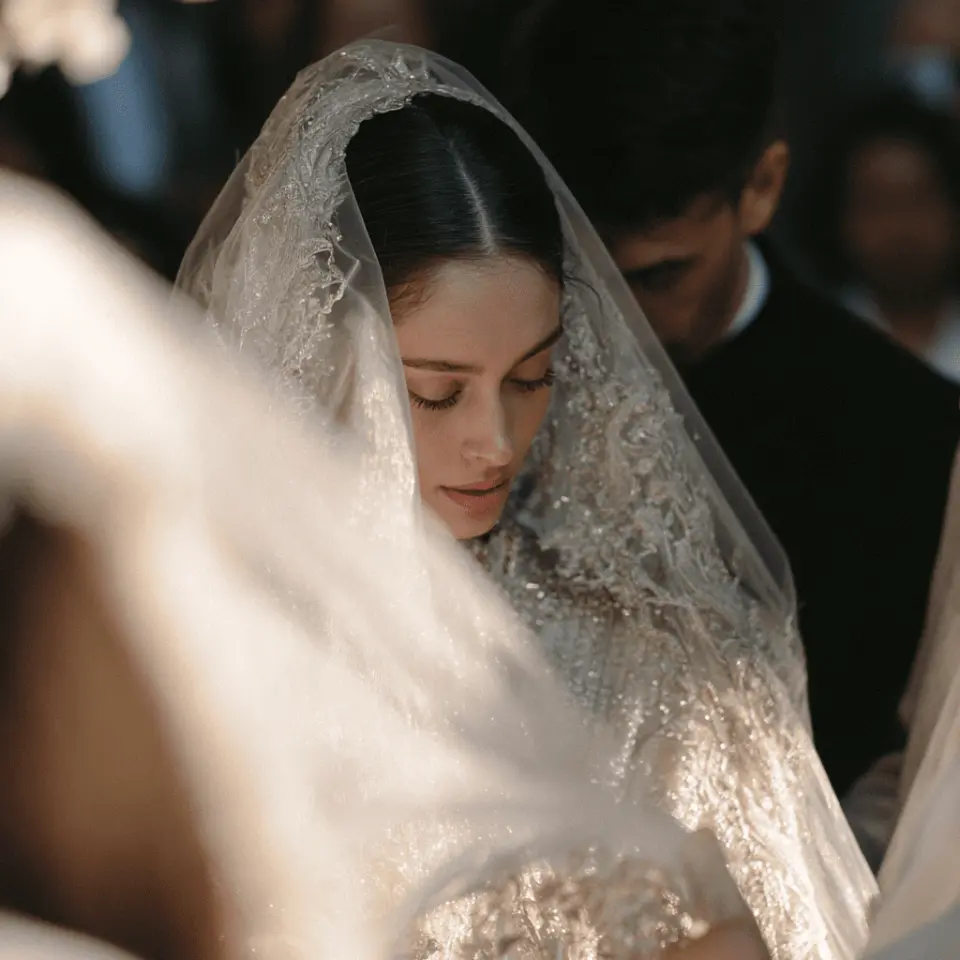
TLDR: The nikah ceremony is the Islamic marriage contract: the couple consents to the marriage, the mahr (a gift to the bride) is agreed, witnesses are present and an imam or knowledgeable Muslim usually leads it. The religious part is often short, while the celebrations around it, such as a mehndi before and a walima feast after, can span several days. In the US, a nikah alone is not a legal marriage, so couples also need a state marriage license. This guide covers the core elements, the events around the nikah, guest etiquette and how to plan with vendors who know the traditions. Updated November 2026.
Key Facts at a Glance
- About 3.45 million Muslims live in the US: roughly 1.1% of the population, and the community keeps growing. (Source: Pew Research Center, 2018 estimate for 2017)
- A diverse community: 58% of US Muslim adults are first-generation immigrants, and among them more come from South Asia (35%) than any other region, followed by the Middle East and North Africa (25%). (Source: Pew Research Center, 2017)
- One-fifth of US Muslims are Black: about 20%, most of them born in the US, which shapes many American nikah traditions. (Source: Pew Research Center, 2017)
- The religious ceremony is brief: the nikah itself often takes about 10 to 15 minutes, although wider celebrations can last days. (Source: The Knot, Muslim wedding traditions)
- Culture matters to many couples: 32% of US couples include religious, ethnic or cultural elements in their wedding. (Source: The Knot 2026 Real Weddings Study)
A nikah is one of the most meaningful and most misunderstood ceremonies in American weddings. It is not one single tradition but a shared religious core that families from Pakistan, Egypt, Somalia, Indonesia, Turkey and US-born Muslim communities wrap in their own customs. ThePerfectWedding.com's guide below explains what stays the same, what varies and how to plan a nikah that feels true to both families.

What is a nikah ceremony?
The nikah is the Islamic marriage contract and the ceremony in which it is made. Rather than a set of romantic vows, the heart of the nikah is mutual consent: one side makes an offer (ijab) and the other accepts (qabul) in front of witnesses. Once both have agreed and the contract is signed, the couple is married under Islamic law.
The ceremony traditionally takes place in a mosque, but a family home, banquet hall or the reception venue is also common. The Knot notes that the nikah is usually brief, and many couples hold it on the same day as a larger celebration. Families from South Asian backgrounds often call the main wedding party the shaadi, while Arab families typically host a single reception.
What are the essential elements of a nikah?
Islamic schools of law (madhhabs) differ on some details, so your imam will explain what your community requires. Most nikahs include these elements:
- Mutual consent: both partners freely agree to the marriage. Many South Asian families have each partner say "qubool" (I accept) three times.
- Mahr: a gift, usually money or something of value, that the groom gives the bride. She agrees to the amount, and it does not need to be announced publicly.
- Wali: the bride's guardian, traditionally her father or another close male relative, who represents her. Whether a wali is required for an adult bride differs between schools of thought.
- Witnesses: commonly two adult Muslim men, or one man and two women, who know the couple. (Source: The Knot, Nikkah ceremony guide)
- The marriage contract: the nikah nama or aqd is signed by the couple, the witnesses and often the wali and officiant.
- Khutbah and duas: a short sermon and prayers, often including a recitation from the Quran.
The mahr can be paid at the ceremony, deferred to a later date or split between the two. Couples sometimes choose something symbolic, such as jewelry or a copy of the Quran, and others agree on a sum. Either way, the mahr belongs to the bride.

Who can officiate a nikah?
An imam usually leads the nikah, but The Knot notes that a qazi or any Muslim with a deep understanding of Islamic tradition can oversee it. Many couples ask the imam of their local mosque, while others invite a scholar the family has known for years. The officiant reads the khutbah, confirms consent and the mahr and guides the signing.
Ask early whether your officiant has rules about the venue, music, photography or mixed seating. ThePerfectWedding.com's guide on how to choose a wedding officiant has questions you can adapt, and couples from two faiths can find ideas in the interfaith wedding ceremony guide.
Is a nikah legally binding in the US?
No, not on its own. The Knot points out that the nikah is a religious contract, so couples still need a marriage license from their state, issued by the county clerk where the wedding takes place. Rules on waiting periods, expiration dates and who may sign differ by state.
There are two common routes. In many states a religious leader can solemnize the legal marriage at the same time as the nikah, though some places require clergy to register first. Other couples hold a separate civil ceremony at the courthouse before or after. The religious vs civil ceremony guide and our explainer on signing the marriage register and witnesses walk you through the paperwork.
What events happen before and after the nikah?
The nikah sits inside a wider celebration that looks very different from family to family. These are the events couples ask about most:
| Event | Typical timing | Common in | What happens |
|---|---|---|---|
| Tolbe or engagement | Before the wedding | Arab families | The groom's family formally asks for the bride's hand, often with Surah al-Fatiha recited |
| Mehndi | Before the wedding | South Asian families | Henna designs are applied to the bride's hands, often alongside female relatives and friends |
| Gaye holud or manjha | Before the wedding | Bangladeshi and other South Asian families | Turmeric paste is applied to the couple in a lively family celebration |
| Nikah | Wedding day | All Muslim weddings | Consent, mahr, witnesses and the signed contract |
| Walima | After the nikah, from the next day to months later | All Muslim weddings | A feast hosted by the groom's side to celebrate and announce the marriage |
The walima is the celebration rooted in Islamic tradition, and The Knot notes that it is usually hosted by the groom's family. For a South Asian family it may follow the shaadi a day later, while an Arab or US-born family may combine everything into one evening. (Source: The Knot)
What should guests wear to a nikah?
Modest clothing is the safe choice for any nikah, especially in a mosque. The Knot recommends longer skirts or pants and covered arms for guests of every gender. Women may be asked to cover their hair inside the prayer area, so bring a scarf, and expect to remove your shoes before entering.
- South Asian weddings: guests often wear saris, lehengas, salwar kameez or sherwanis in rich colors.
- Receptions: elegant long dresses, abayas and suits are typical, depending on the family's background.
- Mosque ceremonies: choose loose, opaque fabrics and avoid plunging necklines and short hemlines.
When the invitation is unclear, ask the couple. ThePerfectWedding.com's wedding dress code explained guide helps you translate formal wording into an outfit.
What should guests expect at a Muslim wedding?
Every family sets its own customs, so treat the following as a general guide. Some celebrations seat men and women separately by table or in different rooms, while others use one shared space. Many receptions serve a halal menu without alcohol, and some communities hold the reception without music or dancing.
Cash gifts are traditional and are usually handed to the couple at the reception, often in an envelope. A registry gift works too if the couple has one. Our wedding gift etiquette guide covers amounts and timing if you are unsure.

“The most beautiful nikahs I see are planned by couples who sit down with both families early and ask what really matters to each of them. Once you know which customs are non-negotiable, you can hire vendors who honor them without hesitation, and the whole celebration feels calm instead of complicated.”
Sarah Glasbergen, Founder ThePerfectWedding.com
How do you plan a nikah with the right vendors?
Start with the officiant and the date, then build your vendor team around the customs your families will follow. Vendors who have worked Muslim weddings before will save you countless explanations. Look for:
- Venues that allow a separate ceremony space, flexible seating for separated or mixed guests and outside halal catering.
- Halal caterers who can document their sourcing and plan an alcohol-free bar with mocktails, juices and tea.
- Wedding planners experienced with multi-day South Asian or Arab celebrations and coordinating several events.
- Photographers and videographers who understand modesty preferences, women-only spaces and the moments that matter during the signing.
- Henna artists, decorators and DJs who know mehndi traditions or can work within a no-music request.
Compare quotes for each event separately, since a mehndi, nikah and walima may each need their own setup. Our guides on how to choose a wedding caterer and working with a wedding planner help you ask the right questions. With US couples hosting 117 guests on average (Source: The Knot 2026 Real Weddings Study), a planner who can run several events back to back is worth every conversation.
Nikah ceremony: frequently asked questions
-
How long does a nikah ceremony last?
The religious part is often 10 to 15 minutes, according to The Knot. With a khutbah, signing and photos, plan for about an hour before any reception.
-
What is the mahr in a nikah?
The mahr is a gift from the groom to the bride, agreed before or during the nikah. It can be money, jewelry or something symbolic, and it belongs to the bride.
-
Does a nikah need a wali?
Traditionally the bride is represented by a wali, usually her father. Islamic schools of law differ on whether a wali is required for an adult bride, so ask your imam.
-
Can a nikah take place outside a mosque?
Yes. Many nikahs happen at home, at a banquet hall or at the wedding venue. Check with your imam and venue about prayer space and seating.
-
Is a nikah a legal marriage in the US?
Not by itself. You also need a state marriage license, and the legal ceremony can happen with the nikah or separately at the courthouse.
-
What is a walima?
A walima is the wedding feast after the nikah, traditionally hosted by the groom's family. It can take place the same day, the next day or later.
Plan a nikah that honors both families
Find ceremony inspiration on ThePerfectWedding.com and connect with venues, caterers and planners who know Muslim wedding traditions.


