Park Wedding Guide: Permits, Costs and Planning Tips
Park wedding guide: city, state and national park permits and fees, reservable areas, rules, restrooms and power, rain plans and the vendors you need.

by Sarah Glasbergen on 18 November 2026
Web editor
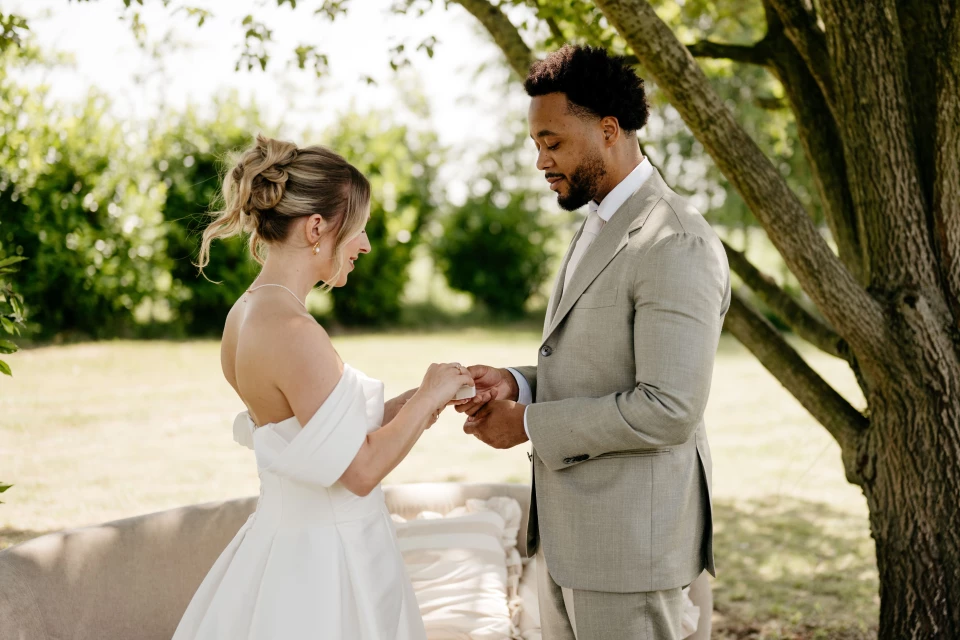
TLDR: A park wedding usually needs a permit, whether you marry in a city park, a state park or a national park. City parks often require a permit once your group reaches a set size, such as 20 or more people in Central Park, while national parks require a special use permit for every wedding, with application fees from $50 to $200 at the parks we reviewed. Most parks give you the space only, so you bring in restrooms, power, seating and a rain plan through your vendors. This guide covers permits, reservable areas, rules, facilities and the vendors you need.
By Sarah Glasbergen, Founder ThePerfectWedding.com. Updated November 2026
Key Facts at a Glance
- City park permits: Central Park requires a special events permit for wedding groups of 20 or more, with a $25 nonrefundable fee and about 30 days of processing (Source: NYC Parks, 2026)
- National park fees: Great Smoky Mountains National Park charges a $50 application fee and accepts wedding applications 12 months to 30 days ahead (Source: National Park Service, 2026)
- Group size limits: Acadia National Park charges a $125 application fee and caps wedding sites at 20 to 50 people (Source: National Park Service, 2026)
- No amenities included: Great Smoky Mountains notes that its wedding permit includes no services or amenities (Source: National Park Service, 2026)
- Guest count reality: the average US wedding hosts 117 guests (Source: The Knot Real Weddings Study, 2026)
Parks offer some of the most beautiful and affordable ceremony settings in the country, from a rose garden downtown to a mountain overlook. The trade-off is planning: permits, public access and the fact that a park is not a full-service venue. Here is what to know before you pick your spot.

Do you need a permit to get married in a park?
In most cases, yes. The rules depend on who manages the park and how many people attend. Small, quiet ceremonies sometimes need no permit in a city park, but larger groups, setups and reserved areas almost always do.
| Park type | Who issues the permit | Typical requirement | Example |
|---|---|---|---|
| City park | City parks department | Permit above a group size threshold | Central Park: 20 or more people, $25 fee |
| State park | State parks agency | Reservation or special event permit | Rules and fees vary by state and park |
| National park | The park itself (NPS) | Special use permit for every wedding | Great Smoky Mountains: $50; Acadia: $125 |
| National forest | USDA Forest Service ranger district | Group use permit for larger gatherings | Many forests: 75 or more people |
Permit fees are usually modest compared to a private venue, but monitoring fees, reservation fees or commercial permits for your vendors can be added. ThePerfectWedding.com recommends contacting the park office before you set your date. Our outdoor wedding permits guide explains the process in more detail.
How does a National Park Service special use permit work?
Every national park runs its own wedding program, but the basics are similar. You apply to the park with a specific location, date, time and group size, pay a nonrefundable application fee, and receive a permit that you must carry on the day.
- Fees: application fees vary by park, for example $50 at Great Smoky Mountains, $125 at Acadia, and $100 or $200 at Redwood National Park depending on the site.
- Lead time: Great Smoky Mountains accepts applications up to 12 months ahead and no later than 30 days before the event; Acadia accepts them until 72 hours before.
- Group size: many sites cap groups at 20 to 50 people, and some overlooks allow fewer.
- No exclusive use: permits generally do not close the area to other visitors.
- Extra costs: some parks charge monitoring fees if staff need to supervise.
Because group limits are often far below the average guest count of 117, many couples use a national park for the ceremony or an elopement and host the reception at a nearby venue. See our elopement ideas for adventurous couples for inspiration.

Which areas of a park can you reserve for a wedding?
Most parks offer specific areas for events rather than letting you choose any spot. Common options include:
- Formal gardens: rose gardens, conservatories and botanical sections, often the most requested.
- Pavilions and shelters: covered areas with picnic tables, sometimes with electricity.
- Lawns and meadows: open space for a ceremony with rented chairs, where allowed.
- Gazebos and bandstands: a natural ceremony focal point.
- Historic buildings: some parks rent lodges, clubhouses or cabins for receptions.
- Scenic overlooks: popular in national and state parks, usually for small groups.
Ask whether your area is reserved exclusively or remains open to the public. In Great Smoky Mountains, for example, a historic clubhouse seats up to 100 people, while some overlooks allow only two weddings per day.
What are the rules for a park wedding?
Park rules protect the landscape, wildlife and other visitors. They are often stricter than couples expect, so read them before you plan your decor.
- Setup: Central Park does not allow tents, tables or chairs, and Acadia generally prohibits arches, canopies and chairs without review.
- Sound: amplified music is prohibited at Central Park and Acadia; acoustic music is often allowed.
- Decor: no throwing rice, birdseed or petals, no balloons, and nothing attached to trees.
- Alcohol: often prohibited in city and national parks; check the specific rules.
- Vehicles: parking may be limited to a few cars, and drop-offs may not be allowed.
- Cleanup: you must leave the site exactly as you found it.

How do you handle restrooms and power at a park wedding?
A park is a space, not a venue, so basic facilities often need to come from your vendors. Plan these early, since rental companies need park approval and access details.
- Restrooms: check how far the public restrooms are from your site and whether they are open on your date; book a restroom trailer for receptions where permitted.
- Power: some pavilions have outlets, but most lawns do not; a quiet generator or battery packs from your rental company may be needed, if the park allows them.
- Water and shade: provide drinks and shade for guests on warm afternoons.
- Accessibility: confirm paved paths and parking for guests with limited mobility.
Our guides to the outdoor wedding bathroom and outdoor wedding power and utilities cover the details.
What is a good rain plan for a park wedding?
Weather is the biggest risk of any park wedding. Many parks do not allow tents, so your rain plan may need to be a different location altogether.
- Reserve a covered pavilion as a backup if your park offers one.
- Book a nearby restaurant, hotel or indoor venue that can host the ceremony on short notice.
- Ask whether a tent is allowed and whether your rental company can install it in time.
- Set a decision time, often 24 to 48 hours ahead, and tell your vendors.
- Have umbrellas ready for guests walking from parking.
Read our rain plan guide for a full checklist.

Which vendors do you need for a park wedding?
Because a park comes with little or nothing included, you build the day with professionals. A typical park wedding team includes:
- Officiant: familiar with outdoor ceremonies and able to project without amplification.
- Photographer: check whether they need a commercial filming or photography permit.
- Musicians: acoustic players, such as a string duo or guitarist, where amplification is banned.
- Florist: freestanding arrangements that comply with the park's decor rules.
- Rental company: chairs, tables, tents or restroom trailers, where allowed.
- Caterer: for a reception at a pavilion or nearby venue.
- Planner or coordinator: to handle permits, timing and vendor access.
According to ThePerfectWedding.com's planning guides, booking a coordinator is one of the smartest investments for a park wedding, since they handle the permit conditions on the day. For music without amplification, see our outdoor wedding sound and music guide.
“A park wedding gives you a setting no designer could ever build, and often at a fraction of a venue rental. The secret is respecting the rules: get your permit early, plan your facilities and rain backup with your vendors, and keep the decor simple. The landscape will do the rest.”
Sarah Glasbergen, Founder ThePerfectWedding.com
Park Wedding FAQ
-
Do you need a permit to get married in a public park?
Usually, yes, especially for larger groups or setups. Central Park, for example, requires a permit for groups of 20 or more.
-
How much is a wedding permit at a national park?
Application fees vary by park, for example $50 at Great Smoky Mountains and $125 at Acadia, with possible extra fees.
-
How far in advance should you apply for a park wedding permit?
Apply as early as possible. Many national parks accept applications up to a year ahead, and some require them at least 30 days before.
-
Can you have chairs and decorations at a park wedding?
It depends on the park. Some ban chairs, arches and tents entirely, while others allow them with approval.
-
Can you have alcohol at a park wedding?
Often not. Many city and national parks prohibit alcohol, so check the rules or host the reception elsewhere.
-
What do you need for a park wedding reception?
Usually a reservable pavilion or nearby venue, a caterer, rentals, restrooms, power and a rain plan.
Plan the perfect setting
Find wedding venues for your reception or a backup location on ThePerfectWedding.com.
Keep planning with our guides to outdoor venues with an indoor backup and tent weddings.


