Chapel Wedding Venues: How to Plan a Chapel Ceremony
Chapel wedding venues explained: chapel types, rules on music and photos, membership, capacity, pairing with a reception venue, transport and costs.

by Sarah Glasbergen on 18 November 2026
Web editor
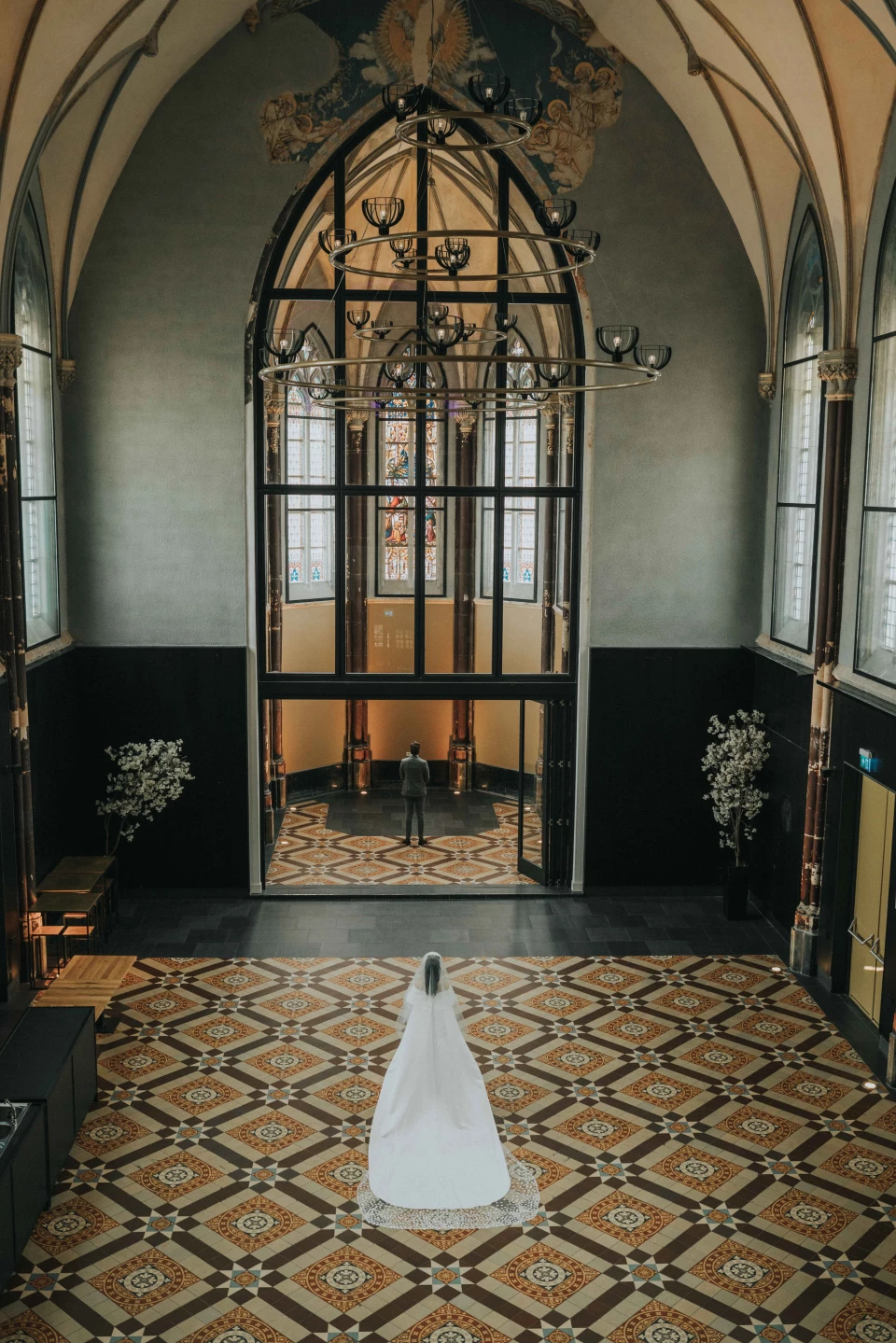
TLDR: A chapel wedding venue is a small, dedicated ceremony space, such as a church chapel, a university chapel, a historic or venue-owned non-denominational chapel, or a classic wedding chapel. Most chapels host the ceremony only, so you pair them with a separate reception venue and plan transportation in between. Expect house rules on music, photography, flowers and timing, and at religious or campus chapels, membership or affiliation requirements. Fees vary widely, from a few hundred dollars to several thousand. This guide covers chapel types, rules, capacity, reception pairing, transport, costs and the questions to ask.
By Sarah Glasbergen, Founder ThePerfectWedding.com. Updated November 2026
Key Facts at a Glance
- University chapel pricing: Duke Chapel charges $3,900 for a standard wedding reservation for up to 500 guests, including three hours of exclusive use, a wedding director and an organist (Source: Duke University Chapel, 2026)
- Affiliation matters: Stanford Memorial Church charges $4,500 for affiliated couples and $6,000 for non-affiliated couples (Source: Stanford Office for Religious and Spiritual Life, 2026)
- Religious preparation takes time: couples planning a Catholic wedding are advised to contact the parish at least six months ahead, with nine months to a year being ideal (Source: U.S. Catholic, 2026)
- Wedding chapel capital: Clark County, home of the Las Vegas wedding chapels, issued roughly 70,600 marriage licenses in 2025 (Source: News 3 Las Vegas, 2026)
- The reception still counts: the average reception venue costs $12,900 and the average wedding hosts 117 guests (Source: The Knot Real Weddings Study, 2026)
A chapel ceremony feels intimate and timeless: stained glass, wooden pews, an aisle that seems made for your walk. But chapels come with their own logistics, from strict start times to rules about what you can toss on the steps. Here is how to choose one and plan the day around it.


What types of chapel wedding venues are there?
The word chapel covers several very different kinds of venues. Knowing which type you are looking at tells you a lot about the rules, the price and who is allowed to book.
- Church chapels: smaller worship spaces inside or next to a larger church or cathedral, often used for intimate weddings. Expect faith-based requirements and a clergy member from that tradition.
- University chapels: landmark campus buildings that often give priority or lower rates to students, alumni and staff.
- Historic and venue-owned chapels: restored chapels on estates, ranches, resorts and wedding venues, usually non-denominational, so you can bring your own officiant and ceremony style.
- Wedding chapels: dedicated businesses, made famous by Las Vegas, that offer short ceremonies with packages for officiant, flowers and photos.
| Chapel type | Who can book | Officiant | Reception on site? |
|---|---|---|---|
| Church chapel | Often members or couples who meet faith requirements | Usually clergy from that church | Sometimes a parish hall |
| University chapel | Often students, alumni and staff first | Your own, within chapel guidelines | Rarely; book a campus or nearby venue |
| Historic or venue-owned chapel | Anyone | Your choice | Often yes, on the same property |
| Wedding chapel | Anyone | Usually provided in the package | Usually no |
According to ThePerfectWedding.com's venue guides, a venue-owned chapel is the easiest choice if you want ceremony and reception in one place, while church and campus chapels reward couples who have a personal connection to them.
What rules do chapels have for weddings?
Chapels are often sacred or historic spaces, and their rules protect the building and the tone of the ceremony. Ask for the written wedding policies before you sign, and share them with every vendor.
- Music: many chapels require live music or use their own organist. Texas Christian University's chapel allows live instrumental or vocal music but no recorded music, and Stanford Memorial Church asks for classical music or music from your religious tradition, chosen with the organist.
- Photography: flash is often banned during the ceremony, and some chapels allow only your hired professional to shoot. Your photographer may need to stay in set positions.
- Flowers and decor: expect limits on aisle runners, pew decorations, candles and anything attached to walls or pews. Stanford asks for preassembled arrangements delivered no earlier than one hour before the ceremony.
- Tossing: rice, confetti and glitter are commonly banned; some chapels allow petals or birdseed outside only.
- Alcohol: often not allowed anywhere in or around the chapel, including getting-ready rooms.
- Timing: ceremonies run in fixed time slots, and the next wedding may start right after yours.
For help choosing music that fits chapel rules, see our guide to wedding ceremony music.

Do you need to be a member to marry in a chapel?
At many church and campus chapels, yes, or at least it helps. Duke Chapel requires that one partner, or a parent or grandparent, be a current Duke student, graduate or full-time employee. Stanford Memorial Church allows non-affiliated couples, but at a higher fee.
Religious chapels may also require premarital preparation. A Catholic wedding usually involves a marriage preparation program, baptismal records and a meeting with the priest or deacon, which is why contacting the parish many months ahead is recommended. Other traditions have their own steps, from counseling sessions to a minimum number of meetings with the officiant.
- Ask whether membership or affiliation is required, and for how long.
- Ask whether you can bring your own officiant or must use the chapel's clergy.
- Ask about required counseling or classes and how long they take.
- Ask whether an interfaith or non-religious ceremony is allowed.
If you are weighing a faith-based ceremony against a civil one, read our guide to religious vs civil wedding ceremonies.
How many guests fit in a chapel?
Chapels range from tiny spaces for a few dozen guests to landmark buildings that seat hundreds. Stanford Memorial Church hosts weddings from 2 to 1,200 guests, while the chapel at Texas Christian University has a maximum capacity of 349 and does not recommend guest lists above 300.
Capacity is set by the fire marshal, but comfort is a different number. Remember space for musicians, your wedding party at the front and a photographer moving down the side aisle. With the average wedding hosting 117 guests, a chapel that seats 120 will feel full, which can be lovely if you want an intimate feel.
Our venue capacity guide explains how to translate a seated capacity into a realistic guest count.

How do you pair a chapel ceremony with a reception venue?
Most church, campus and wedding chapels do not host receptions, so you book a second venue. The key is the gap between the two. A short gap keeps energy high; a long gap leaves guests wandering a strange city in formal wear.
- Keep it close: a reception venue within about 20 to 30 minutes of the chapel keeps the day flowing.
- Fill the gap: start cocktail hour as soon as guests arrive, even if you are still taking photos.
- Match the style: a historic chapel pairs well with a ballroom, museum or restaurant with similar character.
- Check both calendars: confirm the chapel time slot before you sign with the reception venue, since chapel slots are often fixed.
- Coordinate vendors: florists can move ceremony arrangements to the reception if both venues allow it.
ThePerfectWedding.com recommends booking the chapel and reception venue within days of each other, so you never end up with one date confirmed and the other gone.

How do you get guests from the chapel to the reception?
Transportation matters more for a chapel wedding than for an all-in-one venue. Campus chapels often have limited parking, city chapels may have none, and guests who are unfamiliar with the area appreciate not having to navigate.
- Book a shuttle or trolley for guests, especially if alcohol is served at the reception.
- Reserve a getaway car for the two of you; it doubles as a quiet moment together after the ceremony.
- Share parking details on your wedding website and in the ceremony program.
- Build buffer time into your timeline for loading guests and traffic.
A professional transportation company will plan routes and timing with you. Find options and costs in our wedding transportation guide.


How far in advance should you book a chapel?
Popular chapels book up quickly, and some have strict booking windows. Duke Chapel takes reservations on a rolling basis between one year and three months before the wedding, with each month opening exactly one year ahead. The University of Notre Dame's Basilica uses a two-year rolling calendar and does not offer dates on home football weekends.
If you need religious preparation, the timeline starts even earlier. Plan to secure the chapel first, then lock in your reception venue and key vendors. Our guide on how far in advance to book a wedding venue walks through the timing.
How much does a chapel wedding cost?
Chapel fees range widely. Some campus chapels charge a few hundred dollars for a small side chapel, while landmark chapels charge several thousand. Many fees include a coordinator and organist, but clergy, musicians and flowers are often extra.
| Chapel | Fee | What it includes |
|---|---|---|
| Duke Chapel | $3,900 | Up to 500 guests, three hours, wedding director, organist, livestream |
| Stanford Memorial Church | $4,500 affiliated, $6,000 non-affiliated | Two and a half hours on a Saturday; clergy ($500) and organist ($350) extra |
| Notre Dame Log Chapel | $500 | Up to 35 guests; musicians about $250 each |
| Notre Dame Basilica | $750 to $1,000 | Up to 800 guests; suggested priest stipend $250 |
To keep the total in check, focus on the right package rather than cutting vendors. An off-peak date, a morning time slot or a smaller side chapel often lowers the fee. Before you book, ask:
- What exactly is included in the fee, and what costs extra?
- How long is our time slot, and does it include setup and photos?
- Is a rehearsal included, and when is it scheduled?
- Which vendors must we use, and which can we choose?
- What are the deposit, payment and cancellation terms?
- What happens if the ceremony runs late?
Find more in our list of questions to ask a wedding venue.
“A chapel gives your ceremony a sense of place that no ballroom can copy. Read the house rules early, book the reception right after the chapel, and plan the drive in between. When the logistics are settled, all you will remember is that walk down the aisle.”
Sarah Glasbergen, Founder ThePerfectWedding.com
Chapel Wedding FAQ
-
Can anyone get married in a chapel?
It depends on the chapel. Venue-owned and wedding chapels are open to anyone, while many church and campus chapels require membership or affiliation.
-
Can we bring our own officiant to a chapel?
Often yes at non-denominational and campus chapels, though some require approval. Church chapels usually require their own clergy.
-
Can we play recorded music in a chapel?
Not always. Some chapels allow only live music or require their organist for the processional and recessional.
-
Do chapels host receptions?
Most church, campus and wedding chapels do not. Venue-owned chapels on estates or resorts often do.
-
How long do we get the chapel for?
Usually a fixed slot of two to three hours, including setup, the ceremony and photos.
-
How much does it cost to rent a chapel for a wedding?
From a few hundred dollars for a small chapel to several thousand for landmark chapels, with clergy and musicians often extra.
Find your wedding venue
Browse ceremony and reception venues for every style and guest count on ThePerfectWedding.com.
Keep planning with our guides to the wedding ceremony order and wedding venue costs.


