Wedding Ceremony Musicians: How to Choose, What They Cost and What to Ask
String quartet, harpist, guitarist, pianist or soloist? Compare sound, setting, cost, repertoire and logistics before you book ceremony musicians.

by Sarah Glasbergen on 13 November 2026
Web editor
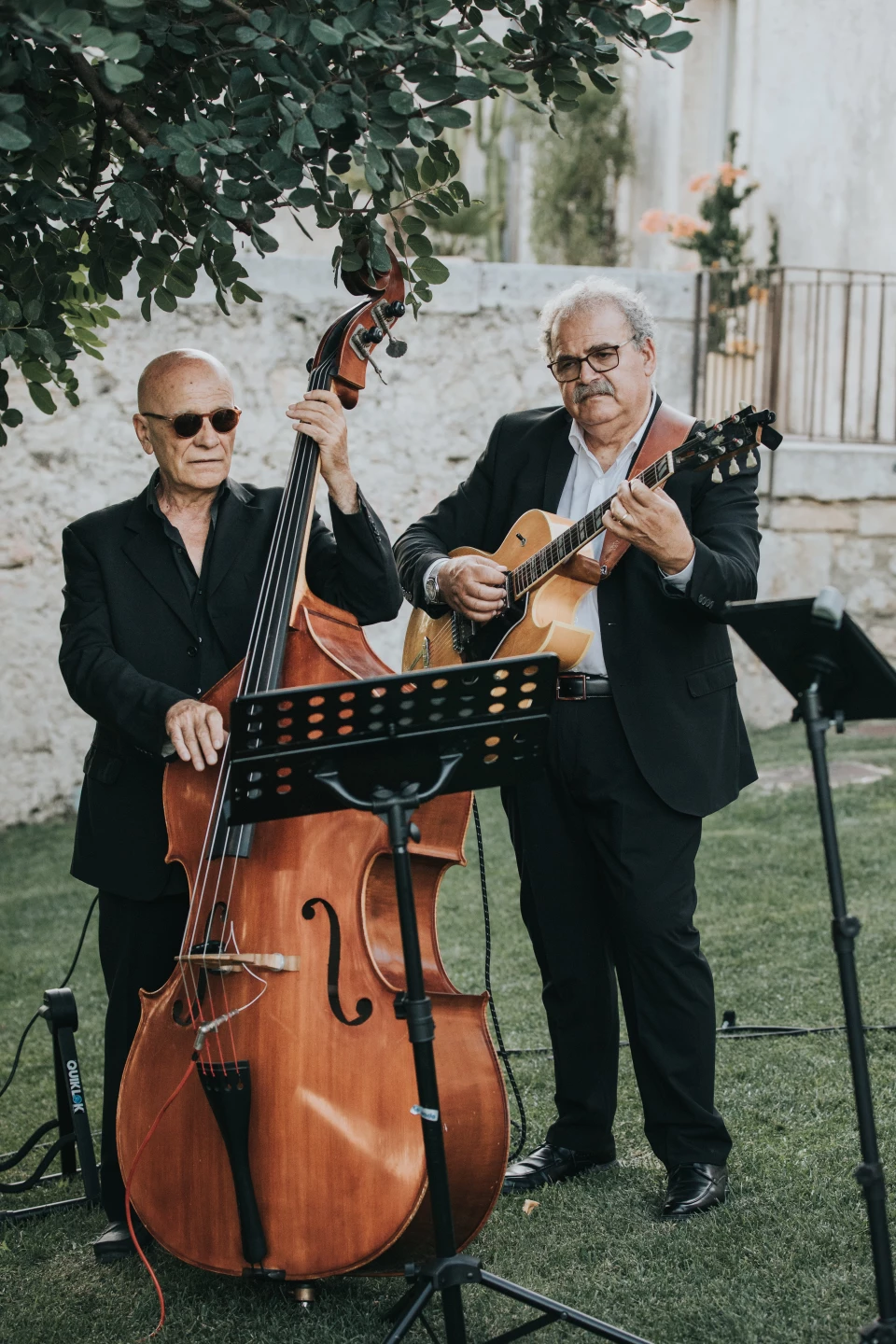
TLDR: The most popular wedding ceremony musicians are string quartets, string trios and duos, harpists, acoustic guitarists, pianists and vocal soloists. Couples spend an average of about $500 on ceremony music, with soloists at the lower end and string quartets typically starting around $1,000. The right choice depends on the sound you love, your venue's size and acoustics, whether you are indoors or outdoors and your budget. This guide compares each option, typical costs, repertoire, logistics like power, shade and rain, and the questions to ask before hiring. Updated November 2026.
Key Facts at a Glance
- About $500 on average: couples spend roughly $500 on ceremony music, with most spending $330 to $700. (Source: WeddingWire, 2026)
- String quartets start around $1,000: experienced quartets charge more, depending on city, length and travel. (Source: The Knot)
- What the base fee covers: usually setup, about 20 to 30 minutes of prelude music, the ceremony and the recessional. (Source: WeddingWire, 2026)
- Book early: The Knot suggests meeting musicians at least nine months before the wedding, and WeddingWire recommends booking about six months out at the latest. (Source: The Knot, 2026; WeddingWire, 2026)
- Tipping: plan about $25 to $50 per musician. (Source: WeddingWire, 2026)
Live ceremony music sets the emotional tone from the moment guests sit down to the second you walk back up the aisle. ThePerfectWedding.com's guide to wedding ceremony music songs helps you choose the pieces themselves. This article is about the people who play them: which ensemble fits your ceremony, what it costs and how to plan the practical details.


What types of wedding ceremony musicians are there?
Each ensemble brings a different mood. Here is how the most common options sound and where they shine.
String quartet
A string quartet traditionally includes two violins, a viola and a cello. It gives a rich, full, classic sound that fills a church, ballroom or large garden. It is the go-to for formal ceremonies and couples who love classical music.
String trio or duo
A trio (violin, viola and cello) or duo (often violin and cello) keeps the elegance of strings with a lighter sound and smaller footprint. It is a smart choice for medium-size ceremonies or venues with limited space.
Harpist
The harp has an ethereal, romantic sound that suits gardens, chapels and intimate ceremonies. Harps are large and delicate, so confirm load-in access and a level, sheltered spot.
Acoustic guitarist
A guitarist suits relaxed, boho, beach and backyard weddings. Guitar works well for acoustic covers of modern songs and pairs beautifully with a vocalist.
Pianist
A pianist offers huge range, from classical to pop arrangements. The Knot notes that moving a piano is costly, so ask whether the venue has a well-maintained piano and when it was last tuned. Electric keyboards need reliable power.
Vocal soloist
A singer, alone or with an accompanist, makes moments like the processional or signing especially personal. Classically trained soloists suit religious ceremonies, while contemporary singers fit modern ceremonies.
How much do wedding ceremony musicians cost?
WeddingWire puts the average ceremony music spend at about $500, with costs ranging from about $200 or less to $1,100 or more. Prices rise with the number of musicians, the performance length, travel and your location. This table shows typical ceremony-only ranges by type.
| Musician type | Typical ceremony-only cost | Best for |
|---|---|---|
| Acoustic guitarist | $200 to $500 | Relaxed, outdoor and beach ceremonies |
| Solo pianist | $300 to $600 | Venues with a piano, versatile repertoire |
| Solo violinist | $300 to $700 | Small spaces, elegant on a budget |
| Vocal soloist | $300 to $700 | Personal moments, religious ceremonies |
| Harpist | $400 to $1,200 | Gardens, chapels, romantic mood |
| String duo | $600 to $1,200 | Small to medium ceremonies |
| String trio | $800 to $1,800 | Medium ceremonies, fuller sound |
| String quartet | $1,000 to $3,000 | Formal, larger ceremonies |
Source: Paperlust 2026 ceremony music cost guide, compiled from WeddingWire, Thumbtack and The Knot marketplace data. Quotes in your area may differ, so request a few. If you are on a tighter budget, WeddingWire suggests a soloist or duo instead of a larger ensemble, and many musicians offer a combined ceremony and cocktail hour package.

What music can ceremony musicians play?
Most ceremony musicians have a core repertoire of classical pieces and popular wedding standards. The Knot notes that string quartets are usually classically trained, so pop, rock and jazz songs may require a custom arrangement that the group buys or writes.
- Ask for their standard list: most musicians share a repertoire list or recordings.
- Request special songs early: custom arrangements take time and may carry a fee.
- Plan four moments: prelude, processional, signing or interlude and recessional.
- Let them lead transitions: experienced ensembles watch for cues so music fades naturally.
Our guides to the wedding processional order and recessional ideas help you map exactly when each piece plays, and how long a wedding ceremony lasts helps you estimate how much music you need.
What logistics do ceremony musicians need?
Live instruments are sensitive, and a few practical details make the difference between a smooth performance and a stressful one. Talk through these with your musicians and venue.
- Shade: The Knot advises that a string quartet needs a shaded area, because instruments are sensitive to sun, temperature and moisture.
- Temperature: some string players will not perform in direct sunlight or cold weather, so ask about their limits.
- Rain plan: confirm a covered or indoor backup spot. Our rain plan guide covers tents and alternatives.
- Power and amplification: many ceremonies in larger spaces need amplification, and electric keyboards and sound systems need outlets. See our outdoor power and utilities guide.
- Seating and space: musicians need chairs and a flat, stable area, which venues can usually provide.
- Venue rules: churches and synagogues may restrict outside musicians or amplification, and outdoor venues may have noise limits.
ThePerfectWedding.com's outdoor wedding sound guide explains how to make sure every guest can hear both the music and your vows.

“Live music is one of the few things guests feel before they see anything. Even a single violinist or guitarist turns a quiet room into a ceremony, so choose the musicians whose sound gives you goosebumps and let them guide you on the rest.”
Sarah Glasbergen, Founder ThePerfectWedding.com
How do you choose the right ceremony musicians for your venue?
Start with the space, then match the sound. A big ballroom, cathedral or open lawn can swallow a single instrument, while a full quartet may overwhelm a tiny chapel or restaurant. WeddingWire notes that small indoor venues may not fit a large ensemble, and large venues may need more musicians or amplification.
- Intimate ceremony or small room: a soloist, guitarist or duo.
- Garden or vineyard: a harpist, trio or quartet with shade and light amplification.
- House of worship: ask first, since an organist is often included and outside musicians may be restricted.
- Beach or windy setting: guitar or keyboard with a sound system, as acoustic strings can get lost.
Ask each musician which setup they recommend for your venue. Experienced wedding musicians have usually played similar spaces and can suggest the ensemble size that sounds best there.
What questions should you ask ceremony musicians before hiring?
These questions, based on advice from The Knot and WeddingWire, help you compare musicians fairly.
- Are you available on our date and time, including setup, and do you have another event that day?
- What exactly is included in your fee, and are travel and parking extra?
- How long have you played weddings, and can we hear a recording or see you perform?
- What is your exact instrumentation, and have the members played together before?
- Will you learn special requests, and is there a fee for custom arrangements?
- Do you provide amplification, or will we need a sound system?
- What are your requirements for shade, temperature and rain?
- Do you carry liability insurance, and what is your cancellation and sick-day policy?
- What will the musicians wear?
Bring your contract details to a final call one or two weeks before the wedding to confirm arrival time, the music cue list and the contact person on the day.


Should you hire ceremony musicians or use a DJ?
Many couples combine both: live musicians for the ceremony and cocktail hour, and a DJ or band for the reception. Live ceremony music adds atmosphere and flexibility, since musicians can stretch or shorten a piece to match the moment. A DJ can also handle ceremony audio, especially if you want original recordings. For the reception, ThePerfectWedding.com's comparison of live band vs DJ helps you weigh the options.
Wedding ceremony musicians: frequently asked questions
-
How many musicians do I need for a wedding ceremony?
It depends on your guest count and venue. A soloist or duo suits small ceremonies, while a trio or string quartet fills larger spaces and formal venues.
-
How much does a string quartet cost for a wedding?
String quartets typically start around $1,000 for a ceremony, according to The Knot, with experienced groups and longer bookings costing more.
-
When should I book ceremony musicians?
Start early. The Knot suggests meeting musicians at least nine months ahead, especially for string quartets in peak season, and WeddingWire recommends booking by about six months out.
-
How long do ceremony musicians play?
A typical booking includes about 20 to 30 minutes of prelude music before the ceremony, the ceremony itself and the recessional. Cocktail hour is usually an add-on.
-
Can musicians play outdoors?
Yes, with the right setup. Most need shade, protection from rain and moderate temperatures, and some will not play in direct sun or cold weather.
-
Should I tip ceremony musicians?
Tipping is appreciated. WeddingWire suggests about $25 to $50 per musician, and The Knot notes 10 to 20 percent as a common range for quartets.
Plan a ceremony that sounds like you
Find ceremony inspiration on ThePerfectWedding.com and start shortlisting musicians who match your venue and style.


