Simple Wedding Dresses: Fabrics, Silhouettes and Styling
Simple wedding dresses explained: minimalist fabrics like crepe, satin and mikado, the best silhouettes, how to accessorize, who they suit and the cost.

by Sarah Glasbergen on 18 November 2026
Web editor
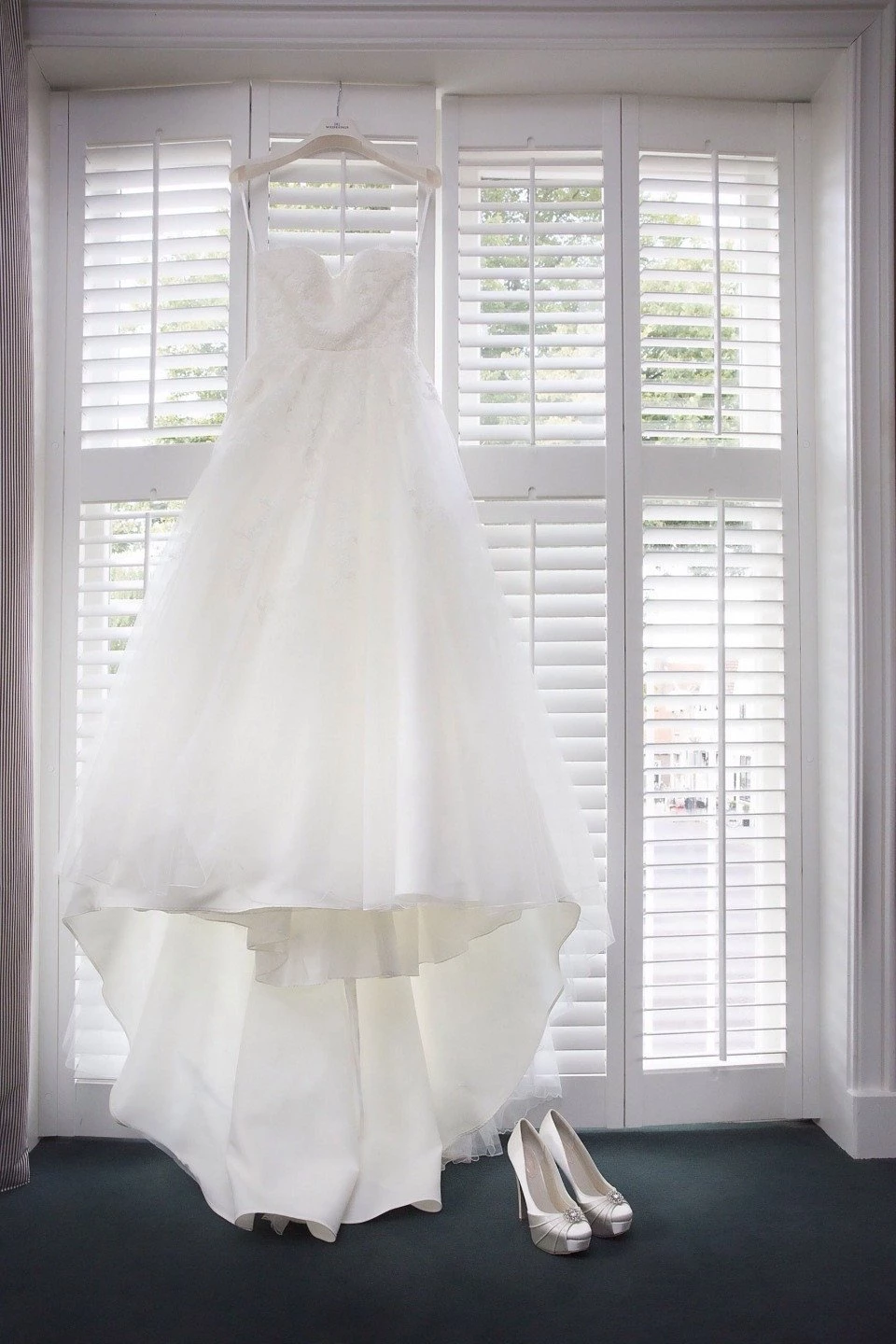
TLDR: A simple wedding dress is a minimalist gown with clean lines, little or no lace or beading, and a beautiful fabric doing the work. The most popular fabrics are crepe, satin and mikado, and the most popular shapes are the sheath, the column, the slip and the clean A-line. Because the dress is pared back, fit and fabric quality matter more than ever, and accessories become your chance to add personality. This guide covers fabrics, silhouettes, styling, who a simple dress suits and how to budget for one.
By Sarah Glasbergen, Founder ThePerfectWedding.com. Updated November 2026
Key Facts at a Glance
- Dress budget: the average wedding dress costs about $2,100 (Source: The Knot Real Weddings Study, 2026)
- Minimalist fabrics: modern minimalist gowns feature satin, crepe, silk taffeta and matte mikado (Source: Jenny Yoo, 2026)
- Designer price range: one bridal designer's featured minimalist gowns are priced from $1,795 to $4,400 (Source: Jenny Yoo, 2026)
- Order ahead: a made-to-order wedding dress takes 16 to 20 weeks on average to arrive (Source: The Knot, 2026)
- Inspiration: Pinterest is the most-used inspiration platform among engaged couples (Source: The Knot Real Weddings Study, 2026)
Simple does not mean plain. A minimalist wedding dress relies on proportion, fabric and fit instead of embellishment, which is why it looks so effortlessly elegant in photos. It is also one of the most versatile looks for a city hall, a black-tie ballroom or a garden wedding, and it photographs beautifully from every angle.

What is a simple wedding dress?
A simple wedding dress is a gown with a clean, uncluttered design. Think smooth fabric, a clear neckline, minimal seams and little or no lace, beading or appliqué. The interest comes from the cut, the drape and small details, such as a low back, a bow or a slit.
Minimalist bridal is sometimes called a clean or modern wedding dress. It can be dramatic or soft, depending on the fabric and silhouette you choose.
Which fabrics are used for simple wedding dresses?
With no embellishment to hide behind, the fabric defines the look. Bridal designer Jenny Yoo lists satin, crepe, silk taffeta and matte mikado as the textiles behind modern minimalist gowns. At style level, this is how they differ:
| Fabric | Look | Feel | Best for |
|---|---|---|---|
| Crepe | Matte, fluid, modern | Soft with a bit of stretch | Sheath, column and fitted styles |
| Satin | Glossy, classic, luxurious | Smooth with some weight | Slip dresses, ball gowns, A-lines |
| Mikado | Structured with a subtle sheen | Firm and crisp | Sculptural A-lines and ball gowns |
| Silk taffeta | Crisp with a soft shine | Light but structured | Fuller skirts and bows |
| Chiffon | Airy and floaty | Very light | Beach and summer weddings |
For a deeper comparison of weight, breathability and care, see our wedding dress fabrics guide. Ask your bridal consultant to show you the same style in two fabrics; the difference is often bigger than you expect.


Which silhouettes work best for a minimalist wedding dress?
Most clean gowns use one of these five shapes, each with its own mood.
- Sheath or column: a straight, close-to-the-body line; the purest minimalist look. Read more in our sheath wedding dress guide.
- Slip dress: a bias-cut satin or crepe gown with thin straps; effortless and modern.
- Clean A-line: a fitted bodice and smooth skirt in mikado or crepe; flattering on most body types.
- Strapless column or drop waist: Jenny Yoo names strapless column gowns and drop-waist silhouettes among the defining modern shapes.
- Structured ball gown: a minimalist ball gown in mikado gives drama without a single bead.


How do you accessorize a simple wedding dress?
A minimalist gown is the perfect canvas. ThePerfectWedding.com recommends choosing one statement detail and keeping the rest quiet, so the look stays clean.
- Veil: a long cathedral veil adds romance, a raw-edge veil keeps it modern; see our guide on how to choose a wedding veil.
- Jewelry: statement earrings or a pearl necklace work beautifully with a bare neckline; browse our bridal jewelry guide.
- Bows and gloves: a detachable bow or opera gloves add a fashion moment you can remove for the party.
- Shoes: with a slit or a shorter hem, your shoes are on show, so pick a pair with character.
- Bouquet: a sculptural or monochrome bouquet from your florist suits a clean dress.
Your hairstylist and makeup artist can also shape the mood: a sleek bun reads modern and sharp, soft waves read romantic.


Who suits a simple wedding dress?
Almost everyone, as long as the cut is right for your body and the fabric is right for the venue. Minimalist gowns work especially well if you:
- Love modern, timeless or fashion-forward style.
- Want your accessories, hair or venue to be the star.
- Plan an outfit change, such as a clean ceremony gown and a party dress.
- Are marrying in a city venue, a museum, a minimalist estate or at city hall.
- Prefer comfort and movement over heavy layers.
Because there is nothing to distract the eye, a simple dress shows every seam. A bridal seamstress who fits it perfectly is essential. Our alterations cost and timeline guide explains what to expect.

How much does a simple wedding dress cost?
Simple does not automatically mean cheaper. The price depends on the designer, the fabric and the construction. A minimalist gown in heavy silk mikado with a perfect internal structure can cost as much as a lace gown. The average wedding dress costs about $2,100, according to The Knot Real Weddings Study, and designer Jenny Yoo's featured minimalist styles range from $1,795 to $4,400.
- Fabric: silk and heavy mikado cost more than polyester crepe or satin.
- Construction: clean gowns need precise tailoring and a quality lining.
- Alterations: fitted styles often need fewer embellishment repairs but precise fit work.
- Smart savings: ask your boutique about in-stock styles or sample gowns, and compare quotes for alterations.
For a full budget breakdown, see our guide on how much a wedding dress costs.
How do you shop for a simple wedding dress?
- Save photos of gowns you love and look for patterns in fabric and silhouette.
- Tell your consultant you want a minimalist look, so they pull clean styles.
- Try at least one crepe, one satin and one structured fabric.
- Check how the dress looks from the back; with a simple front, the back often makes the statement.
- Order early, since many gowns take 16 to 20 weeks to arrive.
- Bring your planned shoes and seamless undergarments to every fitting.

Can a simple wedding dress still have a statement detail?
Yes, and the best minimalist gowns usually do. One considered detail gives a clean dress its personality without breaking the pared-back look. Jenny Yoo points to delicate bows, draped necklines, dramatic open backs and elongated streamers as the subtle details that define modern minimalist bridal.
- Open or low back: a simple front with a dramatic back is a favorite for the ceremony, when guests see you from behind.
- Draped or cowl neckline: soft fabric folds that catch the light, especially in satin.
- Bow: a sculptural bow at the back or shoulder, sometimes detachable for the reception.
- Thigh-high slit: movement and a modern edge, ideal for dancing.
- Covered buttons: a row of fabric buttons along the back adds craftsmanship without sparkle.
- Detachable overskirt or cape: two looks in one, from ceremony drama to an easy party dress.
ThePerfectWedding.com advice: pick the detail that matches the moment you care about most. If the ceremony is your highlight, invest in the back; if the dance floor is, choose a slit or a removable layer. Your bridal consultant can show you which designers do these details best, and your seamstress can often add a bustle or detachable element to a gown you already love.
“A simple wedding dress is all about confidence. When the fabric is beautiful and the fit is perfect, you do not need anything else. Find a boutique that understands clean design, invest in a great seamstress and let one accessory tell your story.”
Sarah Glasbergen, Founder ThePerfectWedding.com
Simple Wedding Dress FAQ
-
What is a simple wedding dress called?
It is often called a minimalist, clean or modern wedding dress.
-
What fabric is best for a simple wedding dress?
Crepe, satin and mikado are the most popular. Crepe feels soft and modern, satin is glossy and classic, mikado is structured.
-
Are simple wedding dresses cheaper?
Not always. Fabric quality and construction drive the price, so a simple silk gown can cost as much as an embellished one.
-
How do you dress up a simple wedding dress?
Add one statement accessory, such as a long veil, statement earrings, a bow or gloves.
-
Which silhouette is most minimalist?
The sheath or column is the purest minimalist shape, followed by the slip dress.
-
Can a simple wedding dress work for a formal wedding?
Yes. A structured mikado gown or a satin column looks elegant at a black-tie wedding.
Find your wedding dress
Browse wedding dress styles and bridal shops on ThePerfectWedding.com.
Keep reading: our guides to ivory vs white wedding dresses and wedding dress necklines.


